Welcome all seeking refuge from dogmatic lifestyle advice!

Please check out the tabs below to learn more about the Asylum, its founding and purpose, and the inmate running this place. Take the light-hearted quiz to see if you should stay for a spell and join us over at the Meeting Rooms for some lively discussion.

align="middle" align="middle" align="middle" align="middle"
______________ last updated 6/28/11 _____________________ last updated 7/29/11 _____________________ last updated 6/25/11 ______________________ Come on Over! _________

Monday, June 28, 2010

So I'm reading some GCBC again ...

... and on p. 408 of my Sony ebook version (this will not coincide with the hard copy, but it is after the glycerol 3P section), Taubes writes:


By the mid-1960's, four facts had been established beyond reasonable doubt:  
(1) Carbohydrates are singularly responsible for prompting insulin secretion.
(2) Insulin is singularly responsible for inducing fat accumulation.
(3) Dietary carbohydrates are required for excess fat accumulation.
(4) Both Type 2 diabetics and the obese have abnormally elevated levels of circulating insulin and a "greatly exaggerated" insulin response to carbohydrates in the diet ...
Note the wording "facts".  Kinda hard to use the weasely "it's a hypothesis" defense for all the misinformation when one words things this way.  But let's consider these in order:

(1) We know this isn't true, protein elicits an insulin response.  Furthermore fats have been shown to at least amplify insulin responses by, for example, stimulating GLP-1.

(2) Insulin is key regulator in the Fatty Acid/Triglyceride cycle, but when you think about it, aside from moving glucose into the fat cells, it is not heavily involved in policing the entry door.  This appears to be ASP which itself can stimulate glucose uptake.  Insulin does have an indirect role in this as it has been shown to increase ASP activity approximately 2-fold, but this is a much lower response than to chylomicrons (dietary fat).  Fat accumulation (net flow in) occurs each and every time fat is ingested.  Whether or not it stays accumulated depends on energy requirements.   Eat too much, gain fat mass.  Simple.  Taubes acknowledges the continual nature of the FFA/trig cycle then goes on to make absolute statements of how the fat is "trapped" in the fat cells.  How can as much as 60% of mobilized fat get re-esterified to triglycerides in a continuous cycle be explained??  If you eat too much fat it will stay in the fat cells, and if it is mobilized, elevated NEFA/FFA are NOT a good thing!

(3)  Patently false.  Since Fred Hahn is advocating dietary experiments over at weightology at the moment, I've got one for him and Gary.  Drink 5000 cals of olive oil a day  and protein to meet needs for a few weeks.  Report back on your fat mass.

(4)  True, but they also have elevated NEFA's!

Friday, June 25, 2010

Speaking of Taubes and the Pima ...

I feel honored that James Krieger stopped by my little corner of the LC blogosphere recently!  He is a fellow critic of Gary Taubes and posted links to blog posts in comments here.  As he updates this series I'll link to them. 

Here was James' first installment:  Good Calories, Bad Calories: The Mythology of Obesity, or The Mythology of Gary Taubes?

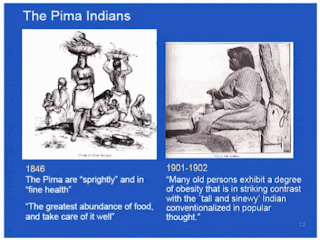
In reading this I was reminded of a call-out I wanted to make on Mr. Taubes regarding the Pima Indians.  If one goes to ~7.5 minutes into this presentation, you will see a picture of the Pimas. 

EDIT 1/12/11:  The presentation appears to be broken.  I'm not sure if this is the same presentation, but it is available on You Tube (7 parts).  http://www.youtube.com/results?search_query=gary+taubes+dartmouth&aq=f 
The slide in question appears around the 7 min mark.  I've posted the slide in question below.


Now the picture quality is poor, but the abundant food atop those heads seems to resemble that of carbohydrate extraction (looks like grains of some sort to me) more than anything else.  Certainly not a collection of rump roasts up there.  This is but one example of where Taubes shoots himself in the foot.   Right there on the screen (presumably much much larger in life) he depicts a society plentiful with carbohydrate-laden foods that is not obese.  This example does demonstrate that food availability on its own does not result in gluttony and obesity.  But at the same time it also demonstrates that carbs in and of themselves, even lots of 'em, don't necessarily lead to obesity.  Perhaps Mr. Taubes should be even more selective in his presentations of relatively obscure cultures.

I've also got to say that either Taubes has not a clue regarding "poverty" in America or he's practicing willful ignorance of why obesity is so prevalent amongst the poor in this country.  I suggest the man go to a lower class neighborhood and see how many eat and live.  There's no great mystery to obesity running rampant in these communities.

Triglycerides and Leptin Resistance

Been reading a lot about leptin and leptin resistance lately and the recent theory that triglycerides cause leptin resistance.  Leptin is secreted by fat cells essentially in correlation to fat mass and it is supposed to tell us to stop eating when we have accumulated too much fat.  The leptin resistance theory of obesity is that our brains don't receive the leptin signal so we keep eating and get fatter.

Triglycerides Induce Leptin Resistance at the Blood-Brain Barrier

Abstract
Obesity is associated with leptin resistance as evidenced by hyperleptinemia. Resistance arises from impaired leptin transport across the blood-brain barrier (BBB), defects in leptin receptor signaling, and blockades in downstream neuronal circuitries. The mediator of this resistance is unknown. Here, we show that milk, for which fats are 98% triglycerides, immediately inhibited leptin transport as assessed with in vivo, in vitro, and in situ models of the BBB. Fat-free milk and intralipid, a source of vegetable triglycerides, were without effect. Both starvation and diet-induced obesity elevated triglycerides and decreased the transport of leptin across the BBB, whereas short-term fasting decreased triglycerides and increased transport. Three of four triglycerides tested intravenously inhibited transport of leptin across the BBB, but their free fatty acid constituents were without effect. Treatment with gemfibrozil, a drug that specifically reduces triglyceride levels, reversed both hypertriglyceridemia and impaired leptin transport. We conclude that triglycerides are an important cause of leptin resistance as mediated by impaired transport across the BBB and suggest that triglyceride-mediated leptin resistance may have evolved as an anti-anorectic mechanism during starvation. Decreasing triglycerides may potentiate the anorectic effect of leptin by enhancing leptin transport across the BBB.

Discussion (reformatted)
Here, we showed that:

  • Starvation-induced inhibition of leptin transport was caused by a circulating factor

  • The fat component of milk (which is 98% triglycerides) as well as specific triglycerides could induce inhibition of leptin transport across the BBB in vivo, in situ, and in vitro

  • The FFAs comprising those triglycerides were ineffectual

  • Manipulation of triglyceride levels with diet or fasting in normal or obese mice had an inverse effect on leptin transport

  • Reduction of triglycerides by pharmacological intervention reversed the impairment in leptin transport.


  • Taken together, these findings show that triglycerides directly inhibit the transport of leptin across the BBB and so could be a major cause of leptin resistance at the BBB.
    Perhaps the article should have been entitled "Dairy triglycerides" or "Some", because one part of this study pitted milk fat against intralipid (veggie derived triglycerides - soybean oil-based source of triglycerides containing the essential FFAs linolenic and linoleic acid, purified egg phospholipids, and glycerol).  The milk-fat produced what is described as "an immediate long-lasting impairment in leptin transport", while the (Omega 6 rich) intralipid is described as being "without effect".  They also tested non-fat milk and got no response thereby implicating the triglycerides in milk fat as the culprit.

    The other triglyceride that produced the transport effect were triolein (oleic acid, olive oil) that produced the effect at similar and lower doses.  Three others were tested DPOG (palmitate), DSOG (stearate) and DMOG (myristate).  The latter did not produce the effect while the other two (longer chain sat fats) did at similar doses as milk fat.

    So to summarize:  The triglycerides that induced leptin resistance were longer chain commonly circulating saturated fats (palmitate, stearate) and MUFA (oleic).  While the shorter chain sat fat (myristate) and PUFA (essentially soybean oil) did not.  The free fatty acids (NEFA/FFA) of any of the triglycerides do not produce the effect.

    One thing I find interesting is that short term fasting -- that reduces endogenous triglyceride levels -- does not induce leptin resistance, while starvation (48 hr fast) elevated triglycerides and produced the impaired transport effect.  In my crazy days I have fasted several days in a row and I can attest that hunger usually subsides somewhere after the 2nd day.  This is in contrast with leptin action, so it's not the leptin that is suppressing hunger in that scenario.  This is interesting to me because some describe leptin as the controller of all things having to do with maintaining homeostasis, and yet something else has to be responsible for greater hunger early in a fast and substantially reduced hunger in "starvation".  But if our ancestors got a bit pudgy, this makes sense in that theoretically their leptin levels should be elevated and so early in a fast leptin gets to the brain and suppresses hunger, but as the fast lengthens resistance builds so hunger builds.  Like I said, this makes sense, but contradicts what we pretty much know to be the case with fasting.  OTOH, if there's anything to this leptin resistance theory upsetting the fat-mass apple cart, it may explain why some have success doing intermittent fasting (IF).  The short term fasts would reduce the triglyceride levels for a sufficient period to reverse leptin resistance and allow the brain to "read" that the fat stores are still full? 

    OK -- So ... what do we make of this?  The interpretation I've been reading is that HC diets elevate triglycerides, and LC diets lower them.  Therefore an LC diet should be ideal for reversing leptin resistance, re-setting one's metabolic homeostasis.  However this study pretty clearly illustrates that it is certain triglycerides circulating that induce the effect.  Therefore it would be total circulating trigs that would be associated with this.  Those eating even a lower fat version of LC, and especially those eating a higher fat version would have significant postprandial trig levels. 

    Eating certain fats seems to inhibit the signal indicating one's level of stored fat.  Velly intellesting ... 

    Tuesday, June 22, 2010

    Excess carbs coverted to fat?

    Thanks to reader LynMarie for prompting me to exhume this post that has been in the "draft" hopper for months!  I'll probably update with some comments at a later time, but wanted to get this article/link out there.

    This is a repeated mantra in the LC community ... if only it were true to any significant extent.

    We've heard it from Taubes, and Sisson, and -- the worst offender -- Nora Gedgaudas who goes so far as to claim that all fat in the body comes from glucose!  I even emailed her once about this and she stuck by this claim -- "I didn't make it up"


    The model of the human macronutrient energy economy that emerges from the study of McDevitt et al is consistent with previous work (2,3,8,9). In the hierarchy of fuels, dietary carbohydrate appears to have a higher priority for oxidation than does dietary fat; when both are present, carbohydrate is chosen. The 2 major macronutrient energy sources (carbohydrates and fats) are not, however, interconvertible energy currencies. Fat cannot be converted to carbohydrate in animals because animals lack the enzymes of the glyoxylate pathway, and carbohydrate is not converted to fat because of a functional block of uncertain cause.

    Wheat & Sugar & Overeating

    Wheat and sugar are oft-cited culprits in the obesity epidemic.  This isn't going to be a science-backed post -- although I've read a good deal about this.  This is more an observational post. 

    I'm was a child in the sixties and early 70's.  Raised in a "healthy household" we didn't eat Wonder bread and Sugar Frosted Flakes (back when you could use the word for what the frosting is made of!), but most of my classmates did.  I look back at class pics from elementary school and there's one or two "fat kids" --  by today's standards these kids aren't even all that large.  And yet, I think back on what most of my classmates had for snacks -- fruit rollups (yeah, not much fruit in those) and saltines were big items.  For lunch it was usually a sandwich of some sort on white bread (PB&jelly were as popular as cold cuts), milk or juice, and a Twinkie or cookies.  Does anyone remember Pixie stix and Lick'm'ade?  These were nothing more than straws full or pots full of colored flavored sugar.  We didn't have sodas as much, and the juice box had yet to be invented, but small cans of juice were popular.  When I would go to friends' houses after school usually I got a glass of lemonade or punch made from a sugary mix.  Anywhere refreshments were provided usually included "bug juice" (KoolAid).  Tang was pretty big too.  Breakfast at a diner wasn't just bacon and eggs, it was pancakes (with butter and lots of syrup), waffles (same), etc.

    Bottom line:  Refined carbs were accessible and consumed.  Margarine and veggie oils were already in fairly widespread use -- I don't remember my friends' Mom's cooking much in lard and tallow.  Although my Mom tended more toward whole grain breads (sprouted often times) and brown rice, she didn't soak or ferment grains and such.  And I actually don't remember the Buttertons either, although fat phobia hadn't set in.

    So why did my generation not overeat similar foods on a regular basis while we do today?

    Why didn't being subjected to such foods cause obesity in us kids?  We're often convinced that kids get addicted to sugar at an early age and eating these refined carbs is driving our hunger is causing us to eat 150-350 more cal/day on average.  I'm sure there are those with greater sensitivity to these things, but something else would have to be responsible for a dramatic increase in the proportion of these people in the population to finger these foods specifically as triggers for overconsumption and obesity.

    I can identify a number of lifestyle changes in our culture as a whole that have allowed for overconsumption of such foods. I tend to believe it is these changes, and not the macronutrients themselves or government recs, etc., that are responsible for the obesity epidemic amongst children in this country.

    Fun with Statistics ~ Mean vs. Median using Fructose as an example

    A bit of a ramble {grin}

    Lately, all the buzz is on fructose as being the root of all evil.  All of a sudden, all fructose from all sources is suspect for ills ranging from obesity to hang nails!  Many studies involve doses of 50g isolated at one time or up to 200g as part of the diet during the day.  Fructose consumption is often reported to average ~50g/day in Western diets.  And yet when I think what a "moderate" fructose consumption would involve, I just don't see lots of people around me eating like that.

    I believe that using the mean (average) as a measure of center for consumption is misleading and a better measure of center would be the median consumption.

    For those not fluent in statistics, the mean (average) and the median (physical midpoint separating the bottom 50% of a population from the top 50%) are different ways to represent the "center" of a data set.   In most applications, the mean is the number reported (usually along with the standard deviation to indicate variability) -- it is considered the most rigorous measure as each data value is included in the calculation and weighted equally.  However when you have a situation where the propensity for outliers is greater at one extreme or the other, and/or one extreme is bounded while the other is not, general practice is to report the median.

    Consider household incomes that are reported periodically based on IRS data -- almost always, the median household income is the reported value.  Why?  Because the least income one could have reported to the IRS is zero (or even a few thousand), but there's no theoretical limit to the high end of income.  All you need are a few outliers to make 10X, 100X, 1000X or even more to really throw an average.  Let's say you have 9 households, one each making 10K, 20K, etc up to 90K.  The mean income = median income = 50K.  Now let's say the highest earner made just double 90K = 180K  now the mean = 60K while the median remains 50K ... not too bad, but we see that now 5 households make less than the average while only 3 make more.  If just the highest earner makes 900K, the median remains 50K while the mean is now 140K!!  Only one household earns substantially more than the average, while the other 8 make substantially less.  Leaving Mr&Mrs BigBucks at 900K, what happens if our low earners make zero?  If 10K goes to zero the median stays the same, the mean is lowered an inconsequential amount to just under 139K; if 20K also goes to zero, the mean is only lowered to around 136.5K.  Now this is a small data set, but I think you can see the picture.

    By my calculations, Coke contains ~21.5 g fructose per 12 oz. can.  Let's say you have 9 people consuming 1 can through 9 cans/day.  The mean consumption would equal the median would equal 107.5g/day.  Is this how Westerners consume Coke?  I'm thinking not so much.  There are a good number of people who either don't drink soda or drink sugar free versions.  We would have to reduce the bottom 3 people to zero to get the mean down below 100g, but up the highest consumer to 15 cans/day (what Jimmy Moore claims he drank prior to going LC) and the mean is back to 107.5.  Two more numbers games -- let's say our 9 people consume on average 0,0,.5,.5,1,1,2,2,12 this amounts to an average fructose consumption just under 50g/day, but a median consumption of a reasonable approx 20g/day.  Moreover, only 2 consumers exceed average consumption while 7 consume quite a bit less.    Or we could have large numbers at the extremes -- the lowest 3 consume no fructose, the highest 3 consume 150 g/day and the remaining 3 somewhere in the middle.  We can easily get at the same mean (and probably the same median) but NEITHER statistic reflects what is really going on in such a society.  I tend to think this is typical of Americans when it comes to all sorts of dietary consumption.  We probably have some that eat a ton of something and just as many that rarely if ever touch the stuff.

    No doubt there are fructose outliers in our society.  Those who eat candy like ... well ... candy!  And those that drink a large portion of their daily calories.   But do we really know a lot of folks like this?  Maybe I'm the outlier here, but nobody in my family drinks regular soda, juice or sugary drinks on any sort of regular basis.  Same goes for candy consumption.  When I snoop a peek into the shopping carts at the market, I'll occasionally see a 2L bottle or two or a case of cans along side what appears to be food for the week for a family.  IOW, even if the shopping cart pusher is consuming all the soda it would amount to a can or two a day.   Where I see large numbers of bottles or cans piled into a cart it is usually diet soda or water.  Yes there are some people having ginormous sugary coffees at Starbucks daily, but I've never had one and most of the people I know drink coffee w/o sugar, with AS, or with a packet of sugar (2.5g fructose per).

    The mean consumption is easier to estimate based on food supply data, etc.  However the median is clearly a better measure of center here.

    So where am I going here?

    One of the stats looked at for fructose is comparing average consumption of various cultures.  We now have a threshold derived from this comparison of around 50g/day -- below that we see less disease, obesity, etc. and above that we see more.  But this has caused that value to be adopted as some "safe" level of consumption to avoid issues.   However, the bulk of a society averaging, say, 30g/day might just be consuming even less than that if there is a segment of over-consumers.  This can be interpreted two ways -- either the "safe" level of fructose consumption is considerably lower than the 50g number, or average consumption values for cultures are of very limited use in establishing fructose consumption recs.  I tend to be in the group that believes the latter.  It's like the fat consumption meta study that came out several months ago.

    When it comes to the optimal human diet for health and weight management, I don't put much stock into these cultural comparisons other than to look for lifestyle trends.  Why?  Especially the more isolated or traditional cultures tend to consume "ethnic" foods specific to the region and their society has adapted to this over thousands of years.   I'm much more swayed by well controlled studies where actual hormone, lipid, glucose, etc. levels are measured.  Unfortunately, we can't have any such studies that are truly considered long term for the purposes of maximizing health, but then the next best thing is the retrospective meta studies that looks for correlations between behaviors and markers etc.  Not perfect, but still better than comparing cultures as a whole because individual values are used.  If summary data from a group of studies is compared, this is again of limited value.

    I tend to think if one million Americans were randomly selected from all corners of the country (say selecting equal numbers from each Congressional district) and monitored consumption for a month, the "average" American diet would differ considerably from both the food pyramid, what we consider the SAD/"Western" diet to be, etc.   So when they compare disease rates for the US to other countries, or even to the US a century ago, there's not much value to this in determining what the optimal diet should consist of.

    Yep ... a ramble :)

    Thursday, June 17, 2010

    Weight gain is not all fat either! An answer to my personal puzzle?

    There's lots of info to be gleaned from this study, but one thing that caught my eye was the weight gain in the overfeeding phase.  Also of note is the nature of subsequent weight loss after overfeeding stopped.

    Possible adaptive mechanisms that may defend against weight gain during periods of excessive energy intake were investigated by overfeeding six lean and three overweight young men by 50% above baseline requirements with a mixed diet for 42 d [6.2 +/- 1.9 MJ/d (mean +/- SD), or a total of 265 +/- 45 MJ]. Mean weight gain was 7.6 +/- 1.6 kg (58 +/- 18% fat). The energy cost of tissue deposition (28.7 +/- 4.4 MJ/kg) matched thetheoretical cost (26.0 MJ/kg). Basal metabolic rate (BMR) increased by 0.9 +/- 0.4 MJ/d and daily energy expenditure assessed by whole-body calorimetry (CAL EE) increased by 1.8 +/- 0.5 MJ/d. Total free-livingenergy expenditure (TEE) measured by doubly labeled water increased by 1.4 +/- 2.0 MJ/d. Activity and thermogenesis (computed as CAL EE--BMR and TEE--BMR) increased by only 0.9 +/- 0.4 and 0.9 +/- 2.1 MJ/d, respectively. All outcomes were consistent with theoretical changes due to the increased fat-free mass, body weight, and energy intake. There was no evidence of any active energy-dissipating mechanisms.
    As I stated, there's other information to be considered -- especially if one can make it through the full text, but the weight gain caught my eye for a specific reason.  Table 3 on P6 of the full text deals with the post-overfeeding stage as well (5 weeks) where the subjects had a mean weight loss of 3.9 kg (72% fat - I used the means so this is slightly different than how they calculated % ).  The small study size (9), unequal distribution  (6 lean and 3 overweight), and other circumstances (one drop out after overfeeding stage, one subject losing weight due to death of family member, etc.) make interpretation of this data somewhat compromised, but here's why I'm interested:

    I am not entirely sure why, but for the first decade or so of my adult life I tended to yo-yo maxing out in the 200-210 lb range.  The yo-yo was mostly in a 50 lb range.  I got "small" a few times during this phase but at much higher weight than before.   In the late 90's I tried Atkins for the first time.  Lost ~40 lbs (WLI), regained those and piled on 60 more (WGI).  (This way-overshoot rebound will be a subject for another day).  Tried Atkins again about 5 years later and essentially lost those 60 lbs (WLII).  Oddly enough, however, I was much smaller at ~210 lbs than I had been prior to this unprecedented weight gain (12/14 size vs. 16/18).  I drifted off plan and regained and added maybe 20-30 lbs more (WGII).  After this last successful round, I first plateaued out at ~210 but this time I was wearing 10/12's! (WLIII)

    This study perhaps explains why.  With long overfeeding (not 50% and not binging, just eating more calories) periods I gained a LOT of weight.  If I use round numbers:  weight gain 60% fat, weight loss 70% fat.  WL I lost 28 lbs fat 12 lbs FFM, then I essentially gained 100 lbs or 60 lbs fat and 40 lbs FFM during WGI.  So at this point I'm net up 32 lbs fat and 28 lbs FFM.  So now WLII amounts to 42 lbs fat 18 lb FFM.  Doing the math, I'm at my start point weight, but carrying 10 lbs less fat and 10 lbs more FFM.  Let's presume I gained 90 lbs during WGII 54 lbs fat, 36 lbs FFM and lose that same 90 lbs during WLIII 63 lbs fat, 27 lbs FFM.  During this cycle I'm net -9 lbs fat and +9 lbs FFM.  So now back at the start weight after these huge weight cycles, I'm carrying 19 lbs less fat mass and 19 lbs more FFM!

    More approx calcs:  Let's use 200 lbs as a nice round start weight and say I was 40% body fat to start, that would be 80 lbs fat, 120 lbs FFM to start -- according to my calcs after all my cycles, I'm carrying only 61 lbs fat and 139 lbs FFM -- my % body fat would be just over 30% now!

    Now of course I'm, first, not a male.  I'm using percentages of mean for short term weight gains and losses due to fairly extreme overfeeding and spontaneous losses, both of which were attained using a mixed diet.  But this does present a plausible explanation for my size at this weight!  For me, long cycles of huge weight swings has produced a "leaner" bod (and, of course some other not-so-desired other side effects).

    Sunday, June 13, 2010

    High Protein LoBAG Diet for Type II Diabetes

    When doing some protein research in the whole high protein v. high fat LC debate, I came across the following article:

    Effect of a High-Protein, Low-Carbohydrate Diet on Blood Glucose Control in People With Type 2

    These researchers call their diet LoBAG which stands for Low BioAvailable Glucose.  

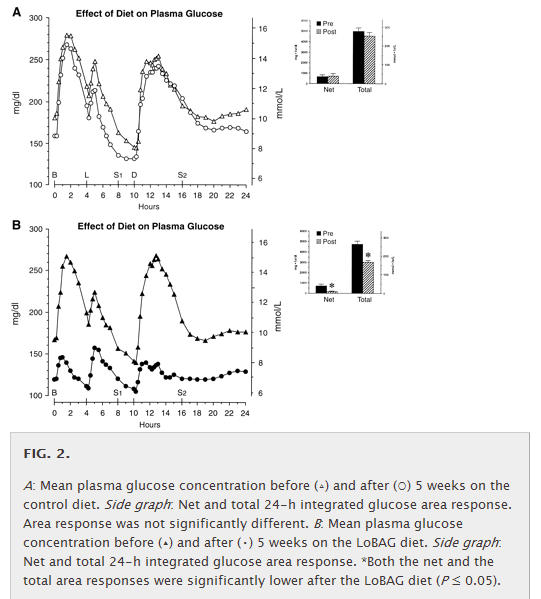
    This particular study was on moderately overweight men (average weight in the high 2-teens) with untreated T2 diabetes.  For five weeks, the men followed one of two diets:  
    LoBAG = 30% Protein / 50% Fat / 20% Carb
    Control = 15% Protein / 30% Fat / 55% Carb

    The LoBAG diet was designed to provide enough carbs to prevent ketosis which was checked with ketostix to confirm the absence of this.  The study was intended to be consuming a weight stable diet, but both groups lost around 4 lbs during the course of the study.  Unfortunately the actual diets are not stated, but for men of this weight I would presume around 2500 to 3000 cal/day to maintain.  This would equate to 188 - 225g protein and 125 - 150g carb for the LoBAG group.  This was a cross-over study so each participant served as their own control consuming both diets with a "washout" period between.

    Select Excerpts:

    This was a decrease {of 24-h total integrated insulin area} of 40% from the pre-LoBAG value (P < 0.01). The mean 24-h total integrated insulin area response decreased by 25%.
    In the present study, the diet contained the same 30% of food energy as protein. However, the carbohydrate content was further reduced from 40 to 20% of total food energy. The control diet in both studies is a diet that is recommended for the general population as a means of reducing one’s risk for coronary heart disease (9).
    In the present study, the lower carbohydrate diet not only reduced the postmeal glucose concentration but also considerably reduced the overnight fasting glucose concentration. It is interesting that the 29% decrease observed in the present study is similar to the 34% decrease that we observed previously after a 36-h fast in people with type 2 diabetes (5). The overall result was a striking decrease in the 24-h integrated glucose concentration (Fig. 2). In addition, the percentage of glycohemoglobin concentration at the end of the 5-week study period was decreased from a mean of 9.8 to 7.6 (Fig. 4).


    1.  Cutting carb levels somewhat in their previous study did not alter fasting glucose, but this relatively moderate further carb restriction reduced FBG 29% -- similar to 36 hr fasting!

    2.  The probable protein consumption was considerable and likely in excess of needs.  The reduction in FBG and 24-h integrated area glucose response would seem to indicate that this excess does not get converted to sugar in these diabetics.  

    3.  This was not intended to be a weight loss study, but modest losses (avg ~0.8 lb/week) occurred with each diet.  Yet the 24-hr insulin area (total exposure) decreased 25% averaged over the 5 week period for LoBAG, and a whopping 40% by the 5th week.  Such a change should have resulted in more weight loss if insulin levels are the controlling factor for "fat accumulation".  


    Protein for Energy


    I've held off on posting this for a while because it's a screen shot and I have no idea whom to credit. But, since the metabolic pathways are common knowledge, I've decided there's no real harm done "publishing" any depiction of them on my li'l old blog. (If anyone recognizes the graphic, please notify me so I can extend credit)

    An enduring point of controversy exists in the LC community over higher protein intake vs. higher fat. My personal experience is that the former works for me, but there are plenty of folks doing well on high fat controlled protein approaches.

    One of the advocates of lower protein intake is Dr. Bernstein the diabetes specialist. Most that advocate his approach agree with his central premise that excess protein is converted to sugar or metabolized as such. While theoretically possible, I've been doing some "re-educating" of myself where protein metabolism, specifically what becomes of any excess is concerned.

    OK, so here it is:


    This is the most concise depiction of the various amino acids and where they can feed into metabolic pathways.  The "green boxed" AA's are termed glucogenic AA's because they can be turned into glucose under certain conditions.  The "white boxed" AA's are ketogenic as they cannot be converted to glucose entering the metabolic paths at these junctures.  You will note that certain AA's are potentially ketogenic or glucogenic because they can be converted to different substrates.

    The blue-arrowed cycle here is the Citric Acid Cycle, aka Kreb's Cycle.  Of note is that the central linking molecule of carb and fat metabolism, Acetyl CoA, is the primary "external substrate" feeding into this cycle (black arrow).  The primary substrate for glucose formation (gluconeogenesis) is oxaloacetate -- the last "stop" on the cycle.  Pyruvate is the product of glycolysis -- glucose metabolism -- but it's both a product and substrate for other metabolic pathways.

    The pink arrows are gluconeogenesis (and we know there's also glyceroneogenesis from pyruvate).  However  my research points to these pathways being stimulated in response to the carbohydrate restriction component of fasting and not to amino acid levels although that might be possible.  This seems to be the concensus in the LC community as well -- our bodies will only turn protein to glucose to meet needs.  Some of the excess may be "burnt like sugar" because it enters the Krebs Cycle by going through the pyruvate pre-cursor, but this really just means another step to get to the ultimate central molecule of Acetyl CoA.

    So, excess protein gets used for energy like ... well ... excess amino acids (as opposed to glucose or fatty acids).   Or if you want to get semantically picky, some feed into metabolic pathways involving glucose, and some into pathways for fatty acids, and some like neither of the other macronutrients.  Too much available energy from any source and Acetyl CoA gets converted to fatty acids -- de novo lipogenesis!  In this regard, protein would be the least lipogenic of the macronutrients.  For a while there I was under what I now realize to be an incorrect assumption, that protein-to-fat would go through glucose to AcCoA to fatty acid by DNL.  But this seems an unlikely path except, perhaps, in the diabetic with issues of over-active gluconeogenesis.  Still, I'm unsure if that path would be further enhanced simply by an excess of pyruvate and/or oxaloacetate made available by excess AA's.

    Limiting protein for weight loss does not seem to be a very good strategy unless someone wants to lose muscle mass, particularly for someone consuming a VLC diet.  The VLCer's body will make glucose and get the necessary AA's from where it will -- better the diet than the body IMO.  Protein is almost impossible to overeat.  For diabetics, however, relying on protein as an energy source may present other issues as relates to various complications of that disease.

    Previously I've characterized protein as a poor energy source.  However, I no longer believe this to be true.  It is not a preferred energy source, perhaps, but it seems to feed pretty efficiently into Krebs.

    Saturday, June 12, 2010

    Credibility of Authorities

    A rant, if you will :)

    One need not delve very deeply into the LC blogosphere, websites and discussion forums to find an enormous contempt for "mainstream" nutritional advice, etc.  Several darlings championing LC alternatives have emerged and their writings are taken as indisputed "truth" spurring almost cult-like followings.  Anyone who dares to challenge these *authorities* risk the wrath of these followers.

    I didn't discover this LC world until almost 2 years into my most recent lifestyle change to low carb.  This was my third major try at this after discovering Atkins more than a decade ago.  I mostly just did the key components of Atkins from memory.

    My rhetorical question here is this.  How many times does an authority of the LC "Movement" need to be wrong for their credibility to be questioned?   I agree that FAR too often mainstream thought has been flat out wrong about one thing or another in terms of dietary advice, blood lipids and disease risk.  However they are not wrong about everything.  

    I find that quite often, excellent well-controlled studies conducted by reputable scientists are often instantly discounted based on a boilerplate line in the introduction or abstract along the lines of "high fat diets are associated with obesity ...".   Laypeople and those with relevant backgrounds alike will then go on mini rants against the researchers calling them names, disparaging their work, etc.  Occasionally this is fair (that study about a year ago comparing various diets comes to mind because that was an extremely poorly designed study that did not include a truly low carb diet in the mix).  But more often than not, the study supported conclusions that the LC'er just don't want to hear.  Fall back position is basically they can't be trusted because they may buy into some mainstream nutritional/medical dogma. 

    But all too often this approach is like the information equivalent to reactive hypoglycemia (where insulin response is exaggerated leading to hypoglycemia following acute hyperglycemia from a carby meal).  Eyes and ears are covered to see and hear no "evil".

    So back to LC "Authorities".  Let's start out with Dr. Atkins, the first of the modern LC gurus.  So many see GCBC and the research of those like the authors of The New Atkins (Westman, Volek & Phinney) as vindicating the long suffering Dr.  He was right all along.  But was he?  Actually, on the central concept of caloric balance, Dr. Atkins was WRONG.  He proposed that LC'ers lost more weight eating more calories than standard reducing diets because below some carb intake level, the LC'ers essentially urinated out large unused calories in the form of ketones.  This is acknowledged to not be a considerable amount by even some of the staunch defenders of Metabolic Advantage such as Dr. Mike Eades.   In the initial book there was talk of some mysterious fat mobilizing substance.  I can only surmise that this was disproven in advance of DANDR because it wasn't in that book.  Indeed Atkins' ketone loss theory is notably absent in TNA.

    Does this mean LC is dangerous as some of Atkins' critics contended?  No.  Does this mean Atkins doesn't work for weight loss?  No.  But it does mean that not everything Atkins contended turns out to have been correct.  What is it about LC that renders so many championing the research or succeeding through its implementation unable to acknowledge when underlying theories are wrong?  I don't see anything shameful or derogatory to point out that new  research shows that Atkins was wrong about points A, B, & C.  It doesn't mean he was wrong about other aspects or the overall utility of LC nutrition for weight loss, diabetes management, etc.

    I contend that when LC Gurus make scientifically unsubstantiated claims this will ultimately thwart progress and maybe even set it back.  Why offer up easy fodder to the "LC diets kill" contingency?  Shouting them down with cries of "you just don't understand blah blah blah" may work to silence the opposition on a discussion forum, but it will not impress scientists.  I find it  ESPECIALLY off-putting (can you tell by my recent Taubes posts? LOL) and counterproductive when said LC "expert" refuses to acknowledge when they are wrong about something and/or continues to preach known falsehoods.

    To wit I will call out the dynamic duo of LC fauxscience:  Gary Taubes and Dr. Mike Eades.  I haven't mentioned Eades much (if at all) here yet, but I've caught him in a number of embarrassingly incorrect statements in the past year or so.  Most of which are comments and blog posts where he has denigrated other professionals (and laypeople too) while making himself a laughing stock in the process.  He has been challenged on one of the more egregious examples (I'll blog on that one soon) but promptly dropped the subject.  Then we'll sprinkle in a duo of emerging primal nutrition "experts" Mark Sisson and Nora Gedgaudas.  The former is mostly not on my radar for his informative and generally sound advice, but for the core of his theoretical basis that it is excess carbs  turned to fat that causes obesity, and over 150g carb/day invariably leads to catastrophic weight gain.  Gedgaudas, OTOH, has made such absurdly ridiculous statements as "all body fat comes from glucose" (a contention she made on her blog and defended in an email reponse to me) that I can't take her seriously about anything.  

    So I leave you with food for thought.  Nobody is 100% correct 100% of the time, least of which scientists.  The major thrust of my MS thesis was that certain environmental factors did not result in the implicated mechanism of degradation proposed.  It happens more often than not, but, such things generally do not make good fodder for peer review journals.  If I have a major criticism of the science research publishing field it would be that more of the "this didn't show any difference" sort doesn't reach the journals.  It would save a lot of scientists time, money and frustration were this the case.  I'm sure many a negative has been re-established many times over in fruitless efforts we'll never know about.  After all, when you propose a study, the first thing you do is a literature search to see if it's been looked at before.  But I'm rambling a bit ...

    Mostly, scientists and "interpreters of science" can and will be wrong from time to time.  The important thing is the response.  Just as I would love to see the mainstream come clean about margarine, saturated fats, fat intake per se and cholesterol, I too would love to see the leaders of the LC movement come a bit more clean when they're proven wrong.

    Taubes says we shouldn't trust him.   Trust is a fragile thing.  Often times it only takes once to destroy one's credibility.

    Deleterious Effects of Elevated NEFA - I: Monocytes and Vascular Adhesion

    Elevated Concentrations of Nonesterified Fatty Acids Increase Monocyte Expression of CD11b and Adhesion to Endothelial Cells

    First, a layperson friendly description of Monocytes:
    Monocytes are a type of leukocyte or white blood cell which play a role in immune system function. Depending on a patient's level of health, monocytes make up between one and three percent of the total white blood cells in the body. They can be counted as part of a blood test, and changes in their levels can indicate changes in a patient's health. As a general rule, a low monocyte count is a good sign, and a high count indicates that a problem is present...
    ... Levels of monocytes in the blood tend to rise when someone has an infection, because more of these cells are needed to fight it. Monocytes can also increase in response to stress and other factors. A high monocyte count may be referred to as monocytosis, and it is typically addressed by determining why the count is so high, and addressing the problem. For example, if monocytes are elevated because of an inflammation caused by a viral infection, the patient would be given medication to kill the virus and bring down the inflammation.

    My Study Summary:  The investigators incubated human monocytes with NEFA (physiological FA composition) and measured adhesion and the expression of a protein associated with adhesion.  NEFA increased adhesion in a dose and time related manner.  In other words, the more NEFA in the incubation medium and the longer the incubation, the greater the increase in adhesion (although it did peak at 48 hrs then fall off at 72 hrs).  NEFA also increased CD11b, a protein termed an integrin involved in the adhesion of monocytes to endothelial cells (vessel walls).

    From the Discussion:

    Monocytes from subjects with diabetes have been demonstrated to bind to endothelial cells in greater numbers than monocytes isolated from subjects without diabetes.15 ....However, there is increasing evidence that elevated levels of NEFA may have numerous proinflammatory effects on vascular cells in subjects with insulin resistance and diabetes. The goals of this study were to test whether elevated levels of NEFA could contribute to the enhanced adhesion of monocytes to endothelial cells and to ascertain the mechanism by which NEFA may achieve this effect.

    We first demonstrated that exposure of monocytes to a physiological mixture of NEFA for 48 hours led to maximum monocyte adhesion; adhesion increased in a concentration-related fashion. This is the first report to our knowledge of increased monocyte adhesion resulting from prolonged exposure to a physiological mixture of fatty acids. Although NEFA-treated monocytes showed increased adhesion to unstimulated endothelial cells, pretreatment of endothelial cells with LPS greatly enhanced monocyte binding as has been previously reported.17This indicates that one consequence of prolonged exposure of monocytes to NEFA may be to prime these cells to bind to activated endothelial cells. This may be particularly relevant for the development of atherosclerosis where monocyte accumulation is enhanced at sites of vascular inflammation, where upregulation of a variety of adhesion molecules occurs. Monocyte firm adhesion usually requires interaction of integrins ... Our studies indicate that NEFA stimulates the expression of both message and protein for CD11b [one such integrin]...

    Our studies also demonstrate that NEFA-induced generation of ROS may mediate monocyte adhesion to endothelial cells. This was demonstrated by several lines of evidence. First, maximum stimulation of ROS by NEFA occurred after the same duration of exposure and at the same concentration as that of monocyte adhesion (Figure 1). Second, addition of glutathione or BHT, 2 structurally different antioxidants, prevented both production of monocyte ROS and monocyte adhesion (Table). Moreover, depletion of GSH with diethyl maleate before addition of NEFA further increased ROS generation and monocyte adhesion. Third, inhibitors of NADPH oxidase (a major producer of ROS in monocytes), but not those of nitric oxide synthase, xanthine oxidase or the mitochondrial electron transport pathway were shown to be effective inhibitors of monocyte adhesion. These latter experiments also demonstrate that NADPH oxidase appears to be an important and specific source of NEFA induced ROS in monocytes. Our results are consistent with those of previous studies that have indicated that inhibitors of NADPH oxidase, but not various mitochondrial complex inhibitors, inhibit ROS release from THP-1 cells induced by high glucose conditions, and that inhibitors of PKC, a recognized stimulator of NADPH oxidase, also reduced ROS generation and monocyte adherence.18 ...

    Although levels of NEFA are increased in individuals with diabetes, similar degrees of elevation are frequently present in individuals with insulin resistance and might be expected to increase adhesiveness of monocytes in individuals with insulin resistance as well as in those with diabetes. Consistent with this notion, insulin resistance, as measured by a direct measure of insulin mediated glucose uptake, was a significant predictor of monocyte adhesion to endothelial cells.19 Although adipose tissue is a major source of serum NEFA, triglyceride-rich lipoproteins may also provide free fatty acids directly to the artery wall. Insulin resistance and type 2 diabetes are associated with increased levels of just such lipoproteins, resulting primarily from increased hepatic secretion of triglyceride-rich very-low-density lipoprotein and exaggerated postprandial hyperlipidemia.20 ...

    In summary, these studies demonstrate that elevated levels of NEFA, as frequently occurs in conditions of obesity, insulin resistance and type 2 diabetes, may contribute to increasedmonocyte expression of CD11b and enhance their adhesion to activated endothelial cells. These data provide another example of elevated levels of free fatty acids inducing inflammation and support the concept that modalities that will diminish levels of NEFA or inhibit their intracellular signaling may contribute to reduced atherogenesis in these individuals.

    There's a LOT of info in this discussion -- I excised some of it to focus on the direct NEFA response.  If a low carb diet results in chronically elevated NEFA this does not seem to be a healthy outcome.  If, however, the impact is more acute, perhaps this is not sufficient to "prime" the monocytes.  However since the carb-restricted state is metabolically analogous to the fasted state, I fear this is more chronic than acute.

    Therefore in deciding the proper macronutrient composition of a "healthy diet", NEFA levels, IMHO, should not be overlooked.

    Deleterious Effects of Elevated NEFA - Background

    I though I would summarize the events/research leading up to my decision to group certain posts under a summary title.

    Without a doubt, the most disturbing aspect of my research into the effects of LC (VLC) diets has been the discovery of further elevated NEFA/FFA.  Most in the low carb community -- particularly diabetics -- focus almost singularly on blood glucose levels and insulin action for the maintenance of BG's.  

    To the extent that lipids are considered, there is a big focus on lower fasting triglyceride levels and increased HDL.  While not all LC'ers see an increase in LDL, many will see an increase -- sometimes dramatic -- in LDL.  Usually these are dismissed because VLC will result in more of the "fluffy" large particles that are considered less atherosclerotic.  One of my worries is that we don't have a huge (or even much of any) pool of data for modern day low carb eaters.  So while these trends seem promising, I think it is premature to get too excited -- especially to the point of considering large LDL as "protective".  The alternative is to look at primitive cultures and/or their isolated modern day counterparts.  The VLC/VHF "poster cultures" are the Inuit and Masai.  The former, apparently do not exhibit atherosclerosis/CVD, but I would be extremely wary of extrapolating this to modern zero-carbers.  The Inuit diet is uber-heavy on marine omega 3's, the likes of which would require extreme supplementation to duplicate.  Atherosclerosis IS seen in the Masai, however something in their lifestyle renders this inconsequential due to a compensatory increase in vessel diameter.

    Regardless, another circulating lipid goes all but ignored:  Non-esterified (aka Free) Fatty Acids (essentially long chain).  Any Google search on elevated NEFA will produce a scary lot of hits describing all sorts of deleterious outcomes.   And yet nobody, conventional medical establishment included, seems to focus on these levels.  But obesity and/or Metabolic Syndrome are associated with elevated NEFA's as well as diabetes (both types).  There's increasing evidence that NEFA are both directly and indirectly responsible for pathogenesis of diabetes and atherosclerosis/CVD.   

    Low Carb diets (especially VLC) can produce marked improvements in regulating blood glucose levels.  But NEFA have been shown to be elevated by high fat meals, with or without concurrent carb ingestion, and due in significant part to release from adipose tissue, not just dietary intake.


    ASP action in vivo in humans

    Coordinated release of acylation stimulating protein (ASP) and triacylglycerol clearance by human adipose tissue in vivo in the postprandial period

    This paper demonstrated ASP actions in vivo for humans in the postprandial (post-meal) period.  ASP levels were measured locally to the adipocytes  (venous output side) and systemically in the arterially "supply" side.  This was important because many who would dismiss the action of ASP look at systemic ASP levels and claim no connection.  However, this paper demonstrated otherwise:

    Abstract 

    The objective of this study was to determine whether Acylation Stimulating Protein (ASP) is generated in vivo by human adipose tissue during the postprandial period.  After a fat meal, samples from 12 subjects were obtained (up to 6 h) from an arterialized hand vein and an anterior abdominal wall vein that drains adipose tissue. Veno-arterial (V-A) gradients across the subcutaneous adipose tissue bed were calculated.  The data demonstrate that ASP is produced in vivo (positive V-A gradient) with maximal production at 3–5 h postprandially. The plasma triacylglycerol (TAG) clearance was evidenced by a negative V-A gradient. It increased substantially after 3 h and remained prominant until the final time point. There was, therefore, a close temporal coordination between ASP generation and TAG clearance. In contrast, plasma insulin and non-esterified fatty acid (NEFA) had an early (1–2 h) postprandial change. Fatty acid incorporation into adipose tissue (FIAT) was calculated from V-A glycerol and non-esterified fatty acid (NEFA) differences postprandially.  FIAT was negative during the first hour, implying net fat mobilization. FIAT then became increasingly positive, implying net fat deposition, and overall followed the same time course as ASP and TAG clearance. There was a direct positive correlation between total ASP production and total FIAT (r 5 0.566, P , 0.05). These data demonstrate that ASP is generated in vivo by human adipocytes and that this process is accentuated postprandially, supporting the concept that ASP plays an important role in clearance of TAG from plasma and fatty acid storage in adipose tissue.—
    Unfortunately, the "fat meal" was actually a somewhat balanced meal (although pretty low protein) relatively high in fat and carbs:  60 g fat, 85 g carbohydrate, and 13 g protein = 932 calories total   58% fat / 36% carb / 6% protein.  But there is something interesting in the timecourse of "fat storage" here.  Insulin and NEFA initially increased in the first 1-2 hr.  As stated above, fatty acid incorporation into adipose tissue (FIAT) was NEGATIVE in the first hour indicating net fat mobilization!  This seems an odd paradox, but this is not the first study I've read that demonstrated a release (at least initially) of fat from stores in response to a meal.  At least initially, insulin therefore does not trap fat in the fat cells or send fats on a one way street into the cells.  Other research I've blogged on here and here indicates that insulin can stimulate ASP production, although its action is much less potent than chylomicrons.  I've also blogged previously about the decreased anti-lipolytic effect of a large, truly high fat meal (very low carb) resulting in greater FA release from adipose tissue.

    It seems to me that elevated NEFA/FFA (one of the markers of Metabolic Syndrome too often ignored in the low carb community) indicate a disturbed regulation of fat storage that is if anything tipped somewhat against fat accumulation.  At least to a point, esthetics aside, we really do want our caloric excesses to be accumulating in our fat cells, because the alternative is elevated fats and glucose in circulation (wreaking havoc) and/or accumulation in other places (e.g. liver, etc.) that can be "toxic" to such tissues.

    Friday, June 11, 2010

    Fatty Acid Re-esterification rates

    Alterations in adipocyte free fatty acid re-esterification associated with obese and weight reduced man

    This is a bit of a tough read, but the main conclusions are interesting.


    ABSTRACT Using a newly developed in vitro technique, the rate of re-esterification of lipolyzed free fatty acids (FFA) in small fragments of human subcutaneous adipose tissue was measured. When related to simultaneous glycerol release, this measure permits the calculation of the molar ratios of glycerol and FFA leaving the adipocyte. In weight-stable, never-obese control subjects the molar ratio of FFA:glycerol leaving the adipocytes is 1.4:1. During fasting, this ratio climbs to 2.7:1, close to the theoretical maximum of 3.0:1. Adipocytes from weight-stable obese subjects do not differ significantly from adipocytes of control in regard to this ratio. However, the adipocytes of weight-stable reduced-obese (RO) subjects display a significantly higher FFA:glycerol ratio than the adipocytes of either control or obese subjects. The presence of this fasting-like physiology in adipose tissue from weight-stable RO subjects is of particular interest since these same individuals have other systemic metabolic and subjective findings compatible with caloric deprivation. 
    So after significant weight loss, our fat cells have a "diet hangover" and behave as if in the calorie restricted state.  In the conclusions, the authors postulate that the relative FFA and glycerol levels may be involved in some signalling process causing hunger, overeating and weight regain.  How depressing as usual!

    Also of interest:  Obese vs. Never Obese have similar ratios.  This would indicate that there's nothing about the Triglyceride/FFA cycling that's out of whack in the obese -- In other words, the fat didn't just accumulate because this cycle was dysfunctional.  Unfortunately when adiposity is reduced, the fat cells appear to get stuck in "starvation mode".  The RO groups were, however, some only weight stable for around one month prior to this study.  It would be interesting to know if there were differences over a longer period of time.

    Some other interesting info in the discussion:

    Taken together, these observations may be interpreted to suggest a change in the structure [and/or] function of the plasma membrane of adipocytes and/or interstitial space in RO subjects. Theoretically, an alteration which allowed more rapid mixing of outgoing and incoming FFA, would produce a decrease in the re-esterification of lipolyzed FFA. This model suggests that the surface of the adipocyte functions as a mixing pool for FFA fluxing in and out of the cell, resulting in a reciprocal relationship between lipolysis rate and FFA uptake (see above). This concept is consistent with recent work regarding mechanisms of uptake and release of FFA from adipocytes, in that uptake and release appear to occur at physically separate sites (25, 26).  Whether significant mixing of incoming and outgoing FFA occurs intracellularly has been a point of contention, with some investigators reporting little (27) or no (28) evidence for this in rats, and others suggesting that substantial mixing does occur in human adipose tissue (29). Our data suggest that while some intracellular mixing probably does occur in man, the major site is probably near or just beyond the surface of the plasma membrane.  Interestingly, in some adipocytes, particularly those of the RO, this mixing may be more rapid or more efficient than in the never obese.


    Wednesday, June 9, 2010

    ASP activates Glucose transport in Human Adipocytes

    ASP stimulates glucose transport in cultured human adipocytes  (Full Text PDF)


    Introduction
    Acylation Stimulating Protein (ASP) is the most potent stimulant of triglyceride synthesis in human adipocytes yet described.1 The rate at which triglycerides are cleared from the plasma appears to be related not only to the functional activity of LPL but also to the capacity of peripheral tissues to store fatty acid as intracellular triglycerides. The ability of ASP to regulate this process may, therefore, be of physiological importance.2,3 As human adipocytes differentiate, they become competent to synthesize and secrete the three proteins necessary to generate ASP. These are the third component of complement (C3), factor B, and adipsin.4 The capacity to produce ASP appears relatively late in differentiation but before the sharp increase in the capacity of adipocytes to synthesize triglyceride.5 Subsequently, the mass of triglycerides within adipocytes, the rate at which they synthesize triglycerides, and their capacity to generate ASP are closely correlated.4,5 Moreover, as they differentiate, not only do human adipocytes generate more ASP,  they become much more responsive to ASP.4 
    The mechanisms by which ASP increases triglyceride synthesis are under intensive study. Interaction with an apparent membrane receptor appears to be critical6 and studies of the cell signalling mechanism point to activation of a protein kinase C pathway.7  ASP increases triglyceride synthesis by two coordinate mechanisms. One is to increase the activity of diacylglycerol acyltransferase, the enzyme which controls the last step in the synthesis of a triglyceride molecule.8 The other is to increase specific membrane transport of glucose through specific effects on translocation of glucose transporters. This second effect of ASP has only been demonstrated in human skin fibroblasts and recently in L6 myotubes.9,10 The purpose of the present study was to determine if ASP produced this effect in human adipocytes, a physiologically important tissue in glucose homeostasis, and to compare its potency to that of insulin.
    Discussion
    The data from the present study demonstrates: 
    (1) that ASP stimulates specific membrane transport of glucose in human preadipocytes and adipocytes in a time and concentration dependent manner
    (2) that differentiated adipocytes are more responsive to ASP than preadipocytes
    (3) that ASP is as potent as insulin in inducing specific membrane transport of glucose in adipocytes.
    These data extend our knowledge as to the mechanisms by which ASP causes triglyceride synthesis to increase in human adipocytes. Our previous work focused primarily on triglyceride synthesis.   Experimental data demonstrated that both omental and subcutaneous adipose tissue (primary adipocytes or cultured adipocytes) are responsive to ASP13,14  although the stimulation is greater in subcutaneous tissue suggesting regional specificity.13
    The physiological significance of these effects is becoming increasingly apparent. Until recently, triglyceride clearance from plasma was thought to be determined exclusively by lipoprotein lipase activity, greater triglyceridehydrolytic capacity resulting in more rapid removal of triglyceride from plasma.15,16  However, the correlation between lipoprotein lipase activity and triglyceride clearance is poor17,18 and studies have shown that, in fact, lipoprotein lipase would appear to be present in excess.15 There is direct evidence in humans that the rate of fatty acid uptake from triglyceride-rich particles is limited.19 A major portion of the fatty acids released from chylomicrons are not immediately taken up by adipocytes20 but rather continue to circulate. Thus, the rate of chylomicron triglyceride hydrolysis by lipoprotein lipase is not a direct function of the mass of this enzyme present on the endothelial surface, but the increase in ambient circulating fatty acids can also result in product inhibition of lipoprotein lipase and influence triglyceride clearance.19,21±23
    Our hypothesis has been that adipocyte triglyceride synthesis determines the rate at which fatty acids are taken up by adipocytes from the adjacent capillary space. This rate will influence the proportion of fatty acids which enter adipocytes directly after lipolysis as opposed to the proportion which exit the adipocyte capillary space and pass within the circulation to the liver. A decreased rate of adipocyte fatty acid uptake results in increased delivery of fatty acids to the liver and subsequently, increased VLDL production.24 Any factor which increases the rate of fatty acid uptake and triglyceride synthesis will enhance the efficiency of adipocyte triglyceride storage. Normal plasma ASP in a group of healthy control subjects (35±65) is 32.0 2.6 nM.25 Plasma ASP increases postprandially 26 up to two-fold and is a potent in vitro stimulator of triglyceride synthesis in human adipocytes4 and may thus enhance adipose tissue efficiency.
    However, fatty acids are not the only building block required for triglyceride synthesis and storage. Glucose is the source of the glycerol-3-phosphate backbone, and it is well known that glucose transport increases postprandially in response to hormone stimuli.27,28 The present study adds importantly to the documentation of this pathway in humans. That ASP causes specific membrane transport of glucose to increase in adipocytes is clear, although we have not in this instance directly demonstrated the mechanism responsible for this effect.  Based on our previous results in cultured human skin fibroblasts and L6 myotubes, ASP likely induces translocation of glucose transporters.9,10 In the fibroblast model, ASP induced translocation of glut-1 transporters to the cell membrane whereas in the L6 myotube model, ASP stimulates translocation of glut-1, glut-3 and glut-4 transporters, all to the same extent as insulin. As well, the fact that lower ASP concentrations are more effective at increasing glucose transport in the differentiated adipocytes is consistent with our previous observation that the effects of ASP on triglyceride synthesis become more pronounced during the process of adipocyte differentiation.4 Although higher concentrations of ASP were necessary to achieve the same stimulation as insulin, it should be noted that the physiological levels of plasma ASP are also higher than insulin: 32.0 2.6nMASP25 vs 36±180pM insulin.29 The effects of ASP and insulin on glucose transport were not additive in the differentiated adipocytes whereas they are in human skin fibroblast and the L6 myotube models.9,10 This difference may be consequent to the differentiation induced changes in the level of expression of the various glucose transporters.  In the preadipocytes, although there was a trend towards additivity of the ASP and insulin effects, because the insulin effect (although significant) was modest, this was difficult to assess. Nevertheless, demonstration that ASP directly induces specific membrane transport of glucose is critical to documenting the mechanisms by which it increases triglyceride synthesis in adipocytes.

    What I get from this is:  Insulin is not required for glucose to be transported into fat cells, knocking another leg out from under the whole insulin fat dysregulation theory.

    Dietary Fat v. Endogenous Fat for energy

    It has become increasingly clear to me that regardless of the macronutrient composition of one's diet, dietary fat is only marginally "burnt" for energy on a given day.  The exception to this would be medium and shorter chain fatty acids that are not included in this discussion.

    There's a lot of misinformation out there spread by various LC gurus regarding fat burning and storage.  Without carbs, we can still store fat and we do!  The energy substrate for "fat burning" ( is the free fatty acid (NEFA/FFA).  Where do most of these come from?
    1.  Lipolysis of "lipid droplets" of stored triglycerides within the cells, often called intramyocellular triglycerides (IMTG) 
    2.  Lipolysis of adipose tissue.  
    3.  Lipolysis of other circulating triglyceride-carrying lipoproteins  
    4.  NEFA/FFA's that "escape" the re-esterification process.

    Sources 2-4 are all circulating FFA's and my research all points to the conclusion that circulating NEFA/FFA levels are highly regulated and controlled (or intended to be) by controlling release from adipose tissue (2) constituting the majority of NEFA/FFA in circulation.  The other two sources are relatively minor.  Since trained athletes have higher levels of IMTG, it can also be posited that when the need for fats arises, these stores get tapped first and the cell takes in NEFA/FFA from the blood to replenish the stores.  (This can be envisioned as analogous to using glycogen stores and taking up glucose later to replenish the stores).  In any case, the fatty acids we actually "burn" (beta-oxidation, fatty acid spiral) on any given day are almost invariably derived from stored triglycerides.  

    So what happens to dietary fat?  Well ... just as those "idiots" who know nothing about nutrition and science, etc. have been saying all along, it goes into .... drum roll please .............. your fat cells!  Yep!  That's where it goes whether you eat a low fat high carb diet or a high fat low carb diet or whatever other kind of diet.  The  majority of all of your ingested fat goes directly to your fat cells.  Here's how/why.  LCFA's are relatively insoluble in blood, so while ingested carbs and proteins get broken down into glucose and amino acids and mostly go directly into circulation, ingested fats do not.  Most ingested fats are triglycerides that are broken down to FFA + glycerol in the intestine.  The FFA's are taken up by intestinal cells, re-esterified to triglycerides that are then "packaged up" with proteins to form chylomicrons.  Chylomicrons can be "seen" in the blood after a high fat meal -- they are what can lead to the centrifuged serum/plasma being cloudy.   These are released into the lymphatic system and finally enter the blood stream via the thoracic duct.  Chylos are largely cleared from the blood in a matter of an hour or so.   Chylo formation and transport is a necessary component of human nutrition, but chylo-rich blood would be more viscous (not desired).  Therefore clearance from the blood stream is a priority task.  Really ... you actually want the fat you ingest to go into your fat cells!  But I digress ....  Back to the chylos.  It turns out adipocytes have receptors that detect the presence of chylos, and the chylos stimulate the production of (something LC snake oil salesmen wish would go away) acylation stimulating protein -- ASP. ( I'll be putting up a couple of blog posts on this in coming days).  The chylos are broken down, FFA's transported into the cells, and FFA's re-esterified at the direction of ASP pretty much ASaP!  

    When you think about lipid transport, why do we have different types of particles?  Why doesn't the liver scavenge up chylomicron remnants and repackage them into new chylomicrons instead of other lipoproteins?  Because our bodies do distinguish between dietary fat and endogenous fats, and I propose this is critical to regulating circulating lipids.

    So ... am I trying to say that eating fat makes you fat?  Nope!  Because at any given point in time, lipolysis is going on elsewhere in the fat cell releasing some of the stored fat.  Yes, insulin regulates the release of FFA's from fat cells in a suppressive capacity.  More insulin = suppressed lipolysis, less insulin = increased lipolysis.  Ah ha!  Not so fast.  This is nothing more than insulin playing traffic cop for the heirarchy of macronutrient utilization to meet immediate energy needs.  Because carb storage is inefficient (low energy density) and limited (the average adult has the capacity for like 750g or a little more than 1.5 lbs), when dietary carbs are available, they are utilized first to meet energy needs.  But this does not last forever, and once the carbs are gone, lipoysis is ramped up.  

    Does high fat vs. low fat matter?  Not really if one reads the literature and in depth studies without an agenda or books to sell.  Let's say a person's total energy expenditure is 2500 cal/day;  Person A goes on a 2000 calorie 20%protein/20% fat/60%carb diet containing about 45g fat and 300g carb; Person B goes on a 2000 calorie 20%protein/70% fat/10%carb diet containing about 155g fat and 50g carb.   Both A & B are in 500 cal/day energy deficit.  Person A will likely directly burn most of the 300g carb, perhaps converting a small amount to fat via de novo lipogenesis.  They will deposit 45g dietary fat into their stores, but in varying rates as the day goes on, they will draw about 100g of  fat out.   Person B also uses their 50g carbs first and deposits 155g fat.  They will, however draw about 210g out of the stores.

    The preceding paragraphs are obviously an over-simplification.  In reality, nobody is ever utilizing just one substrate for energy, but we are "wired" to utilize that which is least efficiently stored (carbs) preferentially to that which is efficiently stored (fats).  Furthermore, the metabolic processes enhanced during fasting (or carb restriction) are glucose sparing and override this heirarchy to some extent to preserve the glucose for where it's needed most (e.g. brain).  Lastly, the amount of fat released from the stores is significantly more than is needed (in either nutritional state) with about half of mobilized fat returned to the fat cell.   

    Fat and/or carbs make us fat when either or both are consumed in excess of energy needs.  Fat accumulates if we're chronically depositing more fat than we are utilizing to meet energy needs.  Fat stores diminish when we're chronically utilizing more than we deposit.  
    Found something helpful today? Please consider a small donation. Thank you!

    Where to now?

    align="middle" align="middle"

    align="middle" align="middle" align="middle"