Welcome all seeking refuge from dogmatic lifestyle advice!

Please check out the tabs below to learn more about the Asylum, its founding and purpose, and the inmate running this place. Take the light-hearted quiz to see if you should stay for a spell and join us over at the Meeting Rooms for some lively discussion.

align="middle" align="middle" align="middle" align="middle"
______________ last updated 6/28/11 _____________________ last updated 7/29/11 _____________________ last updated 6/25/11 ______________________ Come on Over! _________

Saturday, July 24, 2010

Fat storage in pancreas and in insulin-sensitive tissues in pathogenesis of type 2 diabetes

Fat storage in pancreas and in insulin-sensitive tissues in pathogenesis of type 2 diabetes

Obesity is associated with increased storage of lipids in nonadipose tissues like skeletal muscle, liver, and pancreatic b cells. These lipids constitute a continuous source of long-chain fatty acyl CoA (LC-CoA) and derived metabolites like diacylglycerol and ceramide, acting as signalling molecules on protein kinases activities (in particular, the family of PKCs), ion channel, gene expression, and protein acylation. In skeletal muscle, the increase in LC-CoA and diacylglycerol translocates and activates specific protein kinase C (PKC) isoforms, which will phosphorylate IRS-1 on serine, preventing its phosphorylation on tyrosine and association with PI3 kinase. This interrupts the insulin signalling pathway leading to the stimulation of glucose transport. In pancreatic b cells, short-term excess of fatty acids or LC-CoA activates PKC and also directly stimulates insulin exocytosis. Longterm exposure to free fatty acids (FFA) leads to an increased basal and blunted glucose-stimulated insulin secretion by affecting gene expression, increase in KATP channel activity, and uncoupling of the mitochondria. In addition, the saturated FFA palmitate increases cell death by apoptosis via increase in ceramide synthesis.
{...} 
In obesity, a situation of excess supply and/or decreased oxidation, fatty acid not only accumulate in adipose cells but also in other tissues like skeletal muscle, liver, and pancreatic b cells. Triglycerides are not harmful as such, but are precursors of signalling molecules like LC-CoA, diacylglycerol, ceramides, acting directly or indirectly in skeletal muscle on insulin signalling and glucose uptake, and in pancreatic b cells, on insulin secretion and cell viability. 

Going to leave this one just "out there" except to say that it ties in with a lot of the other research/studies I've been posting about lately.

Why do some LC Blog Doctors assume the worst of everyone else?

I was a bit taken aback by the title on a recent blog post by Dr. William Davis at his Heart Scan Blog
Why doesn't your doctor try to CURE diabetes?

Dr. Davis paints the medical profession with a rather broad unflattering brush.   Are there docs out there who are more concerned about profit over your health?  Yes.  Are there doctor-drones who reflexively reach for the prescription pad?  Again, yes.   But I believe that most doctors -- and I know several since before they became docs -- do care about their patients and dole out advice based on what they believe to be the best course of action.

Certainly the statement that "Adult diabetes is the one chronic disease that nobody cares to cure" goes more than a bit over the top!

Davis goes on to say that most docs don't think it can be cured, and that is probably true.  The old school re: type 2 would be based on when the disease was more rare and probably not detected until progressed significantly to the point of beta-cell impairment.  But nowadays, with earlier onset and screening, it really can be reversed and "cured" by ..... drum roll please ..... eating less and moving more!  Reducing fat stores below the max fill line (caloric deficit) and exercise work in conjunction to reduce insulin resistance.  I believe successful early intervention can indeed cure the disease.

Dr. Davis goes on to describe a scenario whereby you present at the doctor's office with a FBG of 156 and an HbA1c of 7.1%.  The doc puts you on metformin and the ADA diet.  Now this scenario is presented as if this is some uncaring robo-doc basically going with the flow recommending a course of action with  no track record towards improving patient health.  He also presumes there is no prior treatment history here.  I would venture to guess that most of those who get the diabetes diagnosis from their docs have previously been diagnosed (formally or cautioned) as pre-diabetic and counseled to lose weight .. perhaps on multiple occasions.  IOW, this isn't the first attempt at intervention in the progression of the disease and the patient has failed to make the appropriate lifestyle changes.

OK, so we could argue until we're blue in the face what diet is preferable for weight loss, but there's such a high correlation between obesity and T2 that some have taken to calling it diabesity, and there is ample evidence that just modest weight loss alone can cure it.  LC advocates would blame the doctor for recommending a "failed" low fat diet, but they would be ignoring the fact that many people fail to lose weight on low carb diets as well (and/or fail to maintain it).

If my doctor counsels me to lose weight and I come back 6 months later weighing the same or more, whose fault is that?  The doctor can't hold our hands and can only take our word for it that we tried to lose weight but couldn't or how hard we really tried (vs. compliance was not so hot).    Given the deleterious impacts of glycylation, the doc is doing the responsible thing to lower HbA1C as rapidly as possible with the metformin.  If a patient has not demonstrated an ability to reverse their insulin resistance through lifestyle change, the doc has no choice but to resort to pharmaceutical intervention.

There is emerging evidence that early intervention with metformin is more effective.  In other words, use metformin to attain glycemic control in the early stages and there will be LESS of a need for other medications down the line (or their need will be postponed).  So could it be that the doctors are trying to cure diabetes after all?  Metformin may reverse the condition more rapidly in the short run, and if patients adhere to a reducing diet (even that of the ADA), their diabetes can be cured.  

But Davis will infer no such positive motive on his colleagues.  He presumes that patients will gain 10-15lbs a year on the ADA diet, thereby inferring that in prescribing the diet the doctors intend for their patients to do so.  Huh?!   There are obese/overweight people with serious health issues due to their weight and even those don't "scare them straight" to adhere to a weight loss plan.  I am not condemning or criticizing those people -- I was one although w/o the serious health issues.  But Davis ignores the reality that losing and MAINTAINING weight is both difficult and rare for any number of reasons not related to the composition of one's diet.  The ADA formula of counting calories is a little too low in fat and protein for my tastes, but I hardly see recommending a reducing diet -- any reducing diet -- as irresponsible.  Certainly since weight loss has been shown to reverse (aka "cure") T2, especially if caught early, this advice is what Martha would call a "good thing".

I continue to be concerned over whether LC diets that either do not produce weight loss and/or are not consistently complied with present a significant improvement over a HCLF diet.  BOTH elevated glucose and NEFA/FFA produce deleterious results, and it is the NEFA that contributes to insulin resistance.  LC can lower 24 hr AUC glucose, but if IR persists you haven't "cured" a thing -- only masking a down-line symptom in the progression of a disease.  Metformin, OTOH, increases insulin sensitivity and reduces gluconeogenesis. Perhaps early NEFA lowering pharmaceutical intervention is an avenue to pursue  (metformin's action on lipolysis is inconclusive, it lowers NEFA in some while having no effect in others).

I would agree that all too often patients request a pill and/or doctors reach for the prescription pad to solve medical conditions.  But in progressive lifestyle diseases like this, by the time it gets to the point of diagnosis, lifestyle changes alone may be either too slow or ineffective.  The boat has sailed.  But pharmaceutical intervention need not be for all eternity.  It may well be that just as chemo "cures" cancer by killing off the cells, early intervention to lower circulating glucose and NEFA may well "cure" diabetes provided the IR inducing lifestyle (diet and inactivity) is altered and modest weight loss achieved.

What does it mean to be "cured" of diabetes?  That would be normal basal insulin levels, normal fasting glucose and NEFA's and a normal insulin response to carbohydrate.   If a low carber can't eat a bowl of rice without blood sugar going out of control, I contend their diabetes is not cured but rather controlled.

Thursday, July 22, 2010

The Vascular Functions of Insulin

Vascular function, insulin resistance and fatty acids


While insulin resistance has received a great deal of attention with respect to its role in the pathogenesis of Type II diabetes, it is now clear that insulin resistance independent of hyperglycaemia is associated with a twofold to threefold increase in the risk of cardiovascular mortality, with only 50% of the excess mortality being explained by classic cardiovascular risk factors such as blood pressure and cholesterol increases [8]. In this review, we give evidence suggesting that impairment of insulin action at the level of the vasculature contributes to the more accelerated and more severe atherosclerotic process observed in clinical states of insulin resistance [9, 10].
The emphasized statement is reason for concern.

Summary (my bullet point summary with direct quotes from the article in italics)

  • Insulin increases leg blood flow 
  • Hyperinsulinemia can increase cardiac output
  • Insulin is a vasodilator
  • Magnitude of vasodilation is related to insulin concentration and rate of glucose uptake
  • Insulin's action may be more important in capillary recruitment than bulk flow in determining rates of glucose uptake.
Thus, while the role of insulin to modulate glucose metabolism by its vascular effects has been controversial [31, 32], it has been generally accepted that insulin causes vasodilation through the release of NO from the vascular endothelium.
Endothelium-derived NO is a gas that is synthesized from the precursor L-arginine in a reaction catalysed by nitric oxide synthase and continuously released from the endothelium. NO released from the endothelium diffuses through the subendothelial space to the vascular smooth muscle where it binds to the heme group of guanylate cyclase and stimulates the generation of cyclic GMP (cGMP) which in turn leads to a reduction in intracellular Ca++ resulting in smooth muscle relaxation and vasodilation [35]. 


  •  The paper lists studies that elucidate the mechanism by which insulin stimulates vasodilation.  This could be stimulating NO synthesis and/or release from the endothelium or by some action on the muscle  increasing the uptake and/or activity of NO.  To this end:


These observations suggest that insulin’s effect of vasodilating skeletal muscle 
vasculature is not mediated by enhanced NO action 
on the vascular smooth muscle but depends on increased 
production or release of NO or both.
 Aside:  This may well be a more important stimulatory function of insulin than its role in glucose uptake.


Together, these in vivo studies indicate that insulin vasodilates skeletal muscle vasculature by a net release of endothelium derived NO (EDNO)
{...} 
However, in vivo studies and vascular preparations are not able to define whther the NO release represents a direct insulin effect at the level of the endothelial cell or whether it is mediated indirectly.
d vascular preparations are not able to define w
hether the NO release represents a direct insulin effect at the level of the endothelial cell or whether it is mediated indirectly.


The remainder of this section of the article goes into a hypothetical mechanism.  At this point I'm not as interested in the exact nitty gritty so I'll leave reading that to anyone with greater interest.  


  • Lean non-diabetic, non-IR individuals have a dose dependent increase in leg blood flow with insulin.  Type 2 diabetics with IR have severely impaired effect - <50% of LBF increases in the lean.  
  • Obesity was associated with an intermediate response.  The obese could produce the same LBF as lean, but required much higher insulin levels to do so.
  • General Conclusion:  The most IR = most impaired vasodilatory effect of insulin
  • NO flux correlates with the degree of insulin sensitivity:  athletes > lean > obese > T2
  • PI3K is the enzyme involved.
Endothelial dysfunction in the insulin-resistant obese subjects and patients with Type II diabetic subjects might not be limited to the response to insulin but be more generalised. This notion is important because cardiovascular risk has been shown to relate to coronary endothelial dysfunction [52, 53, 54], which in turn is correlated to endothelial dysfunction in the peripheral vasculature [55]. Thus, endothelial dysfunction in obesity and Type II diabetes could explain some of the excess mortality in these insulin-resistant states [56, 57, 58, 59] which cannot be accounted for by classic risk factors such as age, cholesterol concentrations, 
blood pressure and smoking etc [8].
  • Premenopausal women have higher EDNO than males but this gender differential is cancelled out by obesity and/or T2 diabetes.
obesity and Type II diabetes induce selective insulin resistance in the PI3K signalling pathway in vascular tissue.

Taken together, simple obesity and insulin resistance are associated with marked endothelial dysfunction.  This endothelial dysfunction seems to be independent of other variables such as cholesterol, age or blood pressure that are known to modulate endothelial function. Insulin resistance induces alterations in insulin signalling within the vascular wall, which could account for reduced NO production. In turn, reduced NO action could be instrumental in accelerating the atherosclerotic disease process.
This is apparently independent of hyperglycemia.  If one loses considerable weight on a low carb diet, insulin resistance SHOULD be somewhat reversed.  But if someone fails to lose weight on an LC diet, improvements in blood glucose levels may offer false reassurances.   


Effects of non-esterified fatty acids on the vasculature and insulin sensitivity
The mechanism(s) responsible for endothelial dysfunction in insulin-resistant states are not well understood.  One of the characteristic metabolic abnormalities of insulin-resistant states is higher circulating non-esterified fatty acid (NEFA) concentrations. Importantly, under insulin-resistant conditions, NEFA concentrations are not only higher under fasting conditions but also fail to suppress appropriately in response to insulin in the postprandial state [65]. Thus, the skeletal muscle and the vasculature of insulin-resistant patients are constantly exposed to higher NEFA concentrations.


  • In rats, elevated NEFA/FFA for 5 hours reduced insulin's activation of PI3K by 90%.


  • This demonstrates that NEFA/FFA interfere with insulin signalling of PI3K.


  • Reminder:  PI3K is enzyme responsible for EDNO.


Because intact PI3K signalling is required for insulin’s effect to release 
endothelial NO, together these results suggest 
that higher amounts of NEFA could be, at least in part, responsible for the vascular abnormalities observed in clinical states of insulin resistance.


  • The article goes on to cite several studies relating NEFA/FFA to NO production, etc.  


  • Short term NEFA elevation reduces MCH NO production {going to be looking into this soon}, longer term NEFA elevation reduces insulin stimulated NO production.


  • The effects of NEFA on  NO/vasodilation again seem to be at the production/release level and not impairment of NO action.
The notion that vascular and metabolic effects of insulin could be coupled is supported by a strong correlation between NEFA-induced changes in glucose metabolism and blood flow increments (Fig. 8). Given that NEFA concentrations are constantly higher in insulin-resistant states of obesity and Type II diabetes, dysregulation of fatty acid metabolism could represent a shared and instrumental step leading to impairment of vascular reactivity and endothelial function and insulin-mediated glucose metabolism. The understanding of common and tissue specific effects of raised NEFA on insulin-receptor signalling events could identify targets for drug treatment that improve both glucose metabolism and vascular function. Improved vascular function should result in increased insulin sensitivity and decreased rates of macrovascular disease in these high-risk subjects.

This article adds to my concerns over dietary interventions in pre-diabetes.  Insulin resistance has already set in, but those diagnosed with pre-diabetes are not yet experiencing the level of insulin deficiency to see the glycemic effects.  While blood glucose levels should not be ignored, focusing treatment on them is to focus on a down-line symptom and not the underlying cause.

Insulin has been villified in the LC community and is seen, more often than not, as damaging to the body and the cause of fat accumulation.   But clearly it is insulin DEFICIENCY (direct or due to resistance to insulin's actions) that leads to a whole host of metabolic derangements and deleterious effects.   Therefore, the low carb community's near singular mission to lower insulin levels through diet seems misguided, particularly with a very high fat diet while limiting not only carbs but protein.  The strategy for stopping/reversing the course should be to increase insulin SENSITIVITY.  Here's where exercise seems  to trump diet.  The reflexive shunning of "mainstream recommended" exercise seems counterproductive here.   And if the trade-off of LC vs. HC diet is somewhat better BG control and lower insulin levels at the expense of further elevated NEFA, is this really healthier for the body in the long run?  Particularly for those who cannot lose and maintain weight loss with this WOE (and there are many).

Pre-diabetes = IR is already a metabolically dysfunctional state.  And as the introduction to the article states, increased risk of CVD is associated with the IR.  More consequences come about when glycemic control is disturbed, but IR in and of itself is a condition we should pro-actively treat so that insulin can perform its necessary and, ultimately beneficial roles in the human body.  Lowering insulin levels, or attempting to lower insulin exposure by reducing intake of insulin-provoking nutrients while putting the body in the equivalent of a fasted state (elevating NEFA/FFA) appears on its face to be counterproductive.

So what of all those examples on the net where folks were able to ditch the meds?  Being in energy deficit vs. energy surplus and losing excess fat mass is probably what is responsible for this.  If the pancreas' ability to produce insulin has not yet been compromised, this person's metabolism could conceivably revert to "normal".  Such things as fasting NEFA, blood pressure and basal insulin  are probably better indicators of that person's state of metabolic health than blood glucose readings alone.

Monday, July 19, 2010

The Progression of Insulin Resistance

Vascular function, insulin resistance and fatty acids  (I'll blog on the vascular focus of this paper shortly, but this post is focusing on the bolded statements in the abstract).


Abstract
Over the past 10 years it has become clear that intact vascular function, especially at the level of the endothelium {cells lining the blood vessels}, is paramount in the prevention or delay of cardiovascular disease. It has also become clear that insulin itself, in addition to its metabolic actions, directly effects vascular endothelium and smooth muscle.  Insulin, at normal physiologic concentrations, causes changes in skeletal muscle blood flow in healthy, insulin-sensitive subjects. Insulin’s effect on the endothelium is mediated through its own receptor and insulin signalling pathways, resulting in the increased release of nitric oxide. Insulin’s vascular actions are impaired in insulin-resistant conditions such as obesity, Type II (non-insulin-dependent) diabetes mellitus and hypertension, which could contribute to the excessive rates of cardiovascular disease in these groups.  Insulin-resistant states of obesity and Type II diabetes show a multitude of metabolic abnormalities that could cause vascular dysfunction. Non-esterified fatty acid levels increase long before hyperglycaemia becomes present. Raised non-esterified fatty acids impair insulin’s effect on glucose uptake in skeletal muscle and the vascular endothelium and thus could have detrimental effects on the vasculature, leading to premature cardiovascular disease.
If it is true that NEFA levels rise before blood glucose becomes elevated, then perhaps a screening for pre-pre-diabetes should involve measurement of this blood biomarker?  

What causes elevated NEFA?  It's largely not dietary fats as these are mostly transported as chylomicrons, although there's some indication that in an obese person more FFA's escape re-esterification in the fat cells.  However NEFA levels are largely regulated by their release from adipose tissue in the ever-present FFA/Triglyceride cycling.   The release of NEFA is policed by the inhibitory action of insulin, and this role of insulin has been described as protective.

So if elevated NEFA is the first symptom in the cascade, and an indication of impaired insulin inhibitory action on fat stores, then is the progression of IR proposed by Taubes totally wrong?  Taubes contends that peripheral tissues develop IR first followed by organs and finally adipose tissue.  This statement in this article would indicate that it's the other way around.  Elevated NEFA would indicate some degree of insulin resistance of the fat cells.  Insulin is not largely involved in storing fat, it is involved in its release.  But what causes this?  Hmmmm.... over-stuffed fat cells perhaps?  As circulating NEFA's rise these induce insulin resistance skeletal muscle and perhaps the liver as well so that it pumps out too much glucose.  

It seems more and more apparent to me that carbohydrate consumption per se has relatively little to do with the development of IR.  It naturally occurs in certain phases of life (puberty, aging) but most of us are able to compensate for mild IR by increasing insulin production.  To be fair, it's not dietary fat that necessarily causes it either, although there's still the question of higher IMCL just from eating a higher fat diet and the potential for IMCL derived diacylglycerol and/or ceramides to induce IR in skeletal muscle cells.   Using our insulin does not appear to cause us to become resistant to it.  Indeed the opposite seems to be closer to the truth as low carbers are advised to "carb up" for several days prior to taking an oral glucose tolerance test so as to restore their insulin responses to as normal as possible.

I propose that the fat accumulation leads to elevated NEFA leads to peripheral IR and other deleterious effects on the liver and pancreas.  Only  chronic carbohydrate overfeeding seems to contribute to increases in fat mass, but net fat accumulation will still largely be contributed by dietary fat.  IOW fat accumulation leads to IR leads to hyperinsulinemia.   Fat accumulation is, in the end, dictated by energy balance.


Atkins Autopsy

Every now and then I'm reminded of something that kind of bugs me about LC diet promoters.  There simply aren't many long term low carbers in our general population (as a percent).  So when I see these long term meta studies looking at correlations between various biomarkers and CVD, for example, I wonder how this translates to someone who follows a low carb diet for the long run.  Real life examples ... people who may have yo-yo'd a bit with LC as well.  Do the low fasting trigs of a low carber correlate with reduced CVD?  But I hold no illusions that some meta study will be done following thousands of low carbers.  (Still, I can dream)

In the absence of that, the next best thing would be for prominent "leaders" in the field to share their personal experience/results.  So it's always bothered me a little bit that Dr. Atkins didn't leave instructions for an autopsy to be made public.  After all, what better vindication of low carbing can one imagine than Atkins possessing clean arteries (or at least arteries similar to those of others)?  This would have definitively been Dr. Atkins last laugh at the medical establishment.  I can only be left to wonder that either Dr. A didn't practice what he preached, or he had misgivings regarding its impact on his CV system.  

No ... I'm not a Dr.A died of a heart attack conspiracy theorist.  But I do think that there is/was value in prominent long term low carbers sharing their actual "results".

Sunday, July 18, 2010

Exercise to lose weight and reduce lipotoxicity!

Thanks to reader Cody for finding a study I had come across previously regarding IMCL/IMTG.  Actually the study linked to was an update, but there's a secondary lesson, I believe, to be had from the results.  Since this was a study in older folks, there's a sub-message here:  it's never too late!


We previously reported an “athlete’s paradox” in which endurance-trained athletes, who possess a high oxidative capacity and enhanced insulin sensitivity, also have higher intramyocellular lipid (IMCL) content.
The purpose of this study was to determine whether moderate exercise training would increase IMCL, oxidative capacity of muscle, and insulin sensitivity in previously sedentary overweight to obese, insulin- resistant, older subjects. Twenty-five older (66.4 0.8 yr) obese (BMI 30.3 0.7 kg/m2) men (n 9) and women (n 16) completed a 16-wk moderate but progressive exercise training program.  
Body weight and fat mass modestly but significantly (P 0.01) decreased. Insulin sensitivity, measured using the euglycemic hyperinsulinemic clamp, was increased (21%, P 0.02), with modest improvements (7%, P 0.04) in aerobic fitness (V˙ O2peak). Histochemical analyses of IMCL (Oil Red O staining), oxidative capacity [succinate dehydrogenase activity (SDH)], glycogen content, capillary density, and fiber type were performed on skeletal muscle biopsies.  Exercise training increased IMCL by 21%. In contrast, diacylglycerol and ceramide, measured by mass spectroscopy, were decreased (n 13; 29% and 24%, respectively, P 0.05) with exercise training.   SDH (19%), glycogen content (15%), capillary density (7%), and the percentage of type I slow oxidative fibers (from 50.8 to 55.7%), all P 0.05, were increased after exercise.
In summary, these results extend the athlete’s paradox by demonstrating that chronic exercise in overweight to obese older adults improves insulin sensitivity in conjunction with favorable alterations in lipid partitioning and an enhanced oxidative capacity within muscle. Therefore, several key deleterious effects of aging and/or obesity on the metabolic profile of skeletal muscle can be reversed with only moderate increases in physical activity.
Here's a link to the preliminary work I believe I was looking for (from the references in the above paper):
Skeletal Muscle Lipid Content and Insulin Resistance: Evidence for a Paradox in Endurance-Trained Athletes

So I've blogged a bit about lipid accumulation in non-adipose tissue, lipotoxicity and insulin resistance.  IMCL seems to correlate with IR, but the "athlete's paradox" is that insulin sensitivity accompanies increases in IMCL in athletes.  Therefore IMCL cannot be "toxic" in and of itself.  In this study we see that exercise decreases diacylglycerol and ceramide levels at the same time as IMCL's increase.  The negative effects of IMCL appear to be correlated to the build-up of metabolites rather than the stored triglycerides themselves and/or the turnover of  IMCL -- it's a secondary storage tank in the obese, but perhaps more like a gas tank for the athlete.  Perhaps ceramide is the sole culprit, insulin sensitivity, oxidative capacity and IMTG all increased by around 20%.  Ceramide and DAG both decreased, but only ceramide decreases correlated with insulin sensitivity improvements.

But ... in reading the originally referenced article, something else jumped out at me.  They took 25, mainly weight stable, obese, older (avg age ~66), sedentary people and, near as I can tell, did not change their diet.  One can presume most of these were eating a SAD before and after.  The participants were simply put on a moderate exercise regime.  The exercise was 45 min cardio (moderate by heart rate and/or perceived exertion), 4-5X/week -- mostly walking or stationary cycling.  You know ... the type of exercise often poo pooed in the low carb community that can only, according to Taubes, make you hungrier and cause you to eat more.  The subjects actually averaged 3.5X/week for the 16 weeks of the study.  

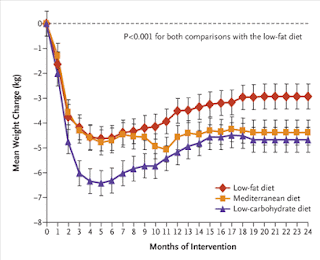
The result?:   In 4 months an average loss of almost 3-3/4 lbs of fat mass.  If continued for a year, this would translate into an average of 11 pounds in a year.  Not too shabby when compared to the weight losses reported by Shai et.al., but more importantly this counters to oft-repeated claim that you can't lose weight by exercise alone.  

And health-wise?  Insulin sensitivity improved >20%  (even as IMCL increased), as ceramide and diacylglycerol decreased.  IOW, whatever the cause of the IR, exercise alone improved this state.  

So exercise CAN improve health independent of diet. 

Friday, July 16, 2010

Insulin and Glucose Transport

A shout-out to LynMarie over at Adipo Insights.

I encourage all of my readers to go check out:

How the "Black Age" of Endocrinology May Be Affecting Your Understanding of Insulin Resistance & Obesity


I'm still mulling over the ramifications of, in particular, her second link that applies more specifically to insulin.  A major point of the article is that insulin's inhibitory actions are likely more important than it's stimulatory actions.  This ties in with my research on NEFA's and concerns over the impact of VLC/HF diets on NEFA levels and whether or not this is potentially detrimental.  I'll blog on that in the near future.

Thursday, July 15, 2010

Stimulation of Insulin Secretion by Long-Chain Free Fatty Acids ~ A Direct Pancreatic Effect

Stimulation of Insulin Secretion by Long-Chain Free Fatty Acids, A Direct Pancreatic Effect


These studies indicate that long-chain FFA, in physiological concentrations, can markedly stimulate insulin secretion by a direct effect on the pancreas. The results lend support to the concept of insulin as a hormone that is importantly involved in regulating the metabolism of all three principal classes of metabolic substrates and whose release is in turn regulated by all of them.
So why almost no insulin response to just a fat meal?  Because most of the ingested fats are transported as triglycerides in chylomicrons.  But NEFA release from adipose tissue with fat ingestion may be responsible for the slight response seen early on.   This may well be the mechanism for elevated basal insulin in the obese.  It's our body's attempt to keep circulating NEFA levels in check.

This would be consistent with a direction of causality that fat accumulation (due to chronic positive energy balance) --> elevated NEFA --> contributes to baseline hyperinsulinemia.

Nutrient Fates after Absorption

Nutrient effects: post-absorptive interactions BY ERIC JEQUIER   (1995)
After a meal, the metabolic fuel selection at the whole-body level depends on the plasma concentrations of nutrients such as glucose, non-esterified fatty acids (NEFA) , amino acids, and on hormonal responses. Over the last 10 years, there has been great interest in studying the metabolic effects following the ingestion or the intravenous (i.v.) infusion of the three macronutrients, carbohydrate (CHO), fat, and protein (or amino acids for i.v. infusion). The aim of the present brief review  {I'm thinking it's not so brief!}  is to summarize the main mechanisms which determine the post-absorptive interactions between the nutrients.
This is an older paper, but still recent enough to provide some good info on the basics.  I'm going to do something a bit different with this one and I otherwise would be quoting huge chunks.  So I'll do bullet point summaries with select summary quotes from the paper in italics.

Sunday, July 11, 2010

High-fat diet, muscular lipotoxicity and insulin resistance

High-fat diet, muscular lipotoxicity and insulin resistance


A high dietary fat intake and low physical activity characterize the current Western lifestyle.  Dietary fatty acids do not stimulate their own oxidation and a surplus of fat is stored in white adipose tissue, liver, heart and muscle. In these organs intracellular lipids serve as a rapidly available energy source during, for example, physical activity. However, under conditions of elevated plasma fatty acid levels and high dietary fat intake, conditions implicated in the development of modern diseases such as obesity and type 2 diabetes mellitus, fat accumulation in liver and muscle (intramyocellular lipids; IMCL) is associated with the development of insulin resistance. Recent data suggest that IMCL are specifically harmful when combined with reduced mitochondrial function, both conditions that characterize type 2 diabetes. In the (pre)diabetic state reduced expression of the transcription factor PPARg co-activator-1a (PGC-1a), which is involved in mitochondrial biogenesis, has been suggested to underlie the reduced mitochondrial function. Importantly, the reduction in PGC-1a may be a result of low physical activity, consumption of high-fat diets and high plasma fatty acid levels. Mitochondrial function can also be impaired as a result of enhanced mitochondrial damage by reactive oxygen species. Fatty acids in the vicinity of mitochondria are particularly prone to lipid peroxidation. In turn, lipid peroxides can induce oxidative damage to mitochondrial RNA, DNA and proteins. The mitochondrial protein uncoupling protein 3, which is induced under high-fat conditions, may serve to protect mitochondria against lipid-induced oxidative damage, but is reduced in the prediabetic state. Thus, muscular lipotoxicity may impair mitochondrial function and may be central to insulin resistance and type 2 diabetes mellitus.

Caveat:  This is a summary paper on how fats in the Western Diet "behave".  However even on a zero carb diet, our metabolic pathways, receptors and such do not change.   VLC diets switch us to an "alternate metabolism" based more on lipid oxidation by skeletal muscles.  In that context, UP3 should be upregulated and there shouldn't be "idle" fatty acids lying around to be prone to peroxidation.  There is, however, a rationale for a low fat diet and exercise approach to reversing the condition.


Obesity, energy balance and fat balance
By definition, the development of obesity and overweight is characterized by a positive energy balance. Numerous investigations (Schutz et al. 1989; Bennett et al. 1992) have shown that in the long term an imbalance between energy intake and energy expenditure is reflected in a positive fat balance. ... In addition, in human subjects there is evidence for a clear substrate hierarchy for the utilization of macronutrients, in which fat balance is least regulated. For example, the human body responds only very slowly by increasing fat oxidation when fat intake is increased (Thomas et al. 1992; Schrauwen et al. 1997a), leading to a deposition of dietary fat in the fat stores. On the other hand, the storage capacity for carbohydrate and protein in the human body is limited and therefore carbohydrate and protein oxidation are very well and rapidly adjusted to their respective intake (Abbott et al. 1988). As a consequence, a positive energy balance will be reflected in a positive fat balance.

This is a nice summary of the nutrient heirarchy and, although we can clearly consume excess calories on a low fat diet, it would require excessive carbohydrate consumption in positive caloric balance.

Fat oxidation on a high-fat diet
Although there is ample evidence that the adaptation of fat oxidation to increased fat intake is slow in man, the reason for this slow adaptation is relatively unknown. According to the two-compartment model of Flatt (1987), whole-body fat oxidation can be increased via an expansion of fat mass, leading to increased plasma NEFA levels available for oxidation. In this model the body is divided into two compartments, fat mass and glycogen stores, and the oxidation mixture of fatty acids and glucose depends on the size of these two compartments. As the glycogen stores are very limited in size, small changes in the size of the glycogen stores will affect glucose oxidation. In contrast, as the fat mass can be relatively unlimited in size, a large expansion of fat mass is needed before changes in fat oxidation will occur. This model can explain why the addition of a surplus of fat to a single meal, which will not result in a change in fat mass, does not affect fatty acid oxidation rates, and why obese subjects have relatively high fat oxidation. In fact, expansion of fat mass (obesity) could be considered as an adaptation of the body to increase fat oxidation to a level that matches a high dietary fat intake. 

This is interesting to me and makes sense.  It would not surprise me to find leptin controlling this.  I highlighted, however one statement that is often presumed opposite in nutritional circles of all stripe, LC in particular.  It turns out that the obese tend to "burn fat" just fine and fatty acids are available for the burning regardless of diet.
However, it has been shown (Schrauwen et al.1997a) that healthy human volunteers who consume a high-fat diet for 7 d, while being in energy balance, are able to slowly increase their fat oxidation to a level that equals the high-fat intake. As no substantial expansion of fat mass can be expected after 7 d of a high-fat diet, these results seem to contradict Flatt’s (1987) model. These findings have, however, been explained in terms of the changes in glycogen stores that may have occurred (Schrauwen et al. 1997b, 1998). During the first days on a high-fat diet, when fat oxidation does not equal fat intake, subjects are in negative carbohydrate balance (carbohydrate oxidation>carbohydrate intake), leading to a decrease in the body’s glycogen stores. According to Flatt’s (1987) two-compartment model, a decrease in glycogen stores would result in a decrease in glucose oxidation and would therefore be another way to increase fat oxidation.  Indeed, it has been shown (Schrauwen et al. 1997b, 1998) that lowering glycogen stores by exhaustive exercise markedly improves the rate at which subjects are able to adapt their fat oxidation to an increased fat intake.
In order to further investigate the mechanisms by which fat oxidation increases on a high-fat diet, a more detailed determination of fatty acid oxidation has been conducted in subjects consuming high-fat diets (Schrauwen et al. 2000). Interestingly, it was observed that the increase in fat oxidation after 7 d of a high-fat diet is completely accounted for by an increase in TAG-derived fatty acid oxidation {...}  mainly intramyocellular lipids (IMCL)) {and not plasma fatty acids). IMCL are small lipid droplets that are located in the sarcoplasm and predominantly found in the vicinity of mitochondria, suggesting that they may serve as a rapidly available energy source for the muscle. {...}it has recently been shown (Schrauwen-Hinderling et al. 2005) that the amount of IMCL is already markedly increased after 7 d of a high-fat diet in healthy lean subjects. {...} these combined observations of an increased IMCL mass and increased IMCL oxidation indicate that increases in IMCL content are also needed to drive increased IMCL oxidation. Thus, the slow rate at which fat oxidation adapts to increased fat intake when a high-fat diet is consumed may also be attributed to the time needed to increase IMCL content. {...}  Interestingly, it has been found (Schrauwen et al. 2002c) that when sedentary middle-aged subjects follow an endurance training programme for 3 months whole-body fat oxidation increases, and again this increase is completely accounted for by an increase in TAG-derived fatty acid oxidation. In accordance with the earlier mentioned hypothesis, endurance training is also known to increase IMCL content (Goodpaster et al. 2001; Schrauwen-Hinderling et al. 2006a), suggesting that similar mechanisms may be involved in the training- and diet-induced increase in fat oxidation.
So even in the presence of carbohydrates, our bodies adapt our substrate oxidation rates to our macronutrient intake.  Those consuming more fat will burn more fat provided it is an energy balanced diet.  It is net caloric excesses that throw things out of whack, and it would seem that most Western diets contain an excess of both fat and carbs.

OK, so what of IMCL and lipotoxicity?  Lipotoxicity is a term used to describe various detrimental effects of accumulated lipid in tissues not intended for storage.  The most toxic effect of which may be apoptosis -- cell death.


IMCL and IR
Evidence gathered in recent decades has pointed towards an important causal role of disturbed fatty acid metabolism in the development of type 2 diabetes mellitus. Not only are plasma glucose levels increased in uncontrolled type 2 diabetes, but also plasma NEFA, and the storage of fatty acids in non-adipose tissues such as pancreas, liver and muscle is elevated in patients with type 2 diabetes (Schalch & Kipnis, 1965). Moreover, a strong negative correlation has been found between the level of IMCL and insulin sensitivity in non-trained subjects (Perseghin et al. 1999), and levels of IMCL are increased in first-degree relatives of patients with type 2 diabetes who are insulin resistant, but not diabetic (Jacob et al. 1999). These data suggest that IMCL accumulation may be a primary factor in the development of type 2 diabetes.

The highlighted part is my cause for concern as this also occurs in the "pre diabetic" insulin resistant state.  In self-treating T2 -- especially if one is in early stages and hyperinsulinemic (IOW they can still make plenty of insulin -- is a low carb/high fat diet harmful but the the effects masked by the improved BG control?  There are two issues here:  1. Elevated NEFA and direct effects on circulatory system, etc. and 2. IMCL -- I think the question here is will IMCL "accumulate" in a VLC fat burner.  I've posted a lot of info (and more to come) on the plasma NEFA.  

The article goes on to present data on the impact and fates of IMCL.  IMCL is a source of energy -- readily available fatty acids.  But if there are too many and they are not burnt for energy, they are stored as triglycerides (TAG) in the muscle (or organ) cells instead of in the adipose tissue.  It is under these conditions that IMCL's cause deleterious effects.

I'm pretty much convinced that a high fat diet induces insulin resistance.  The question remains if this IR is relevant to low carbers who don't rely on a postprandial insulin response to clear glucose from the blood.  I have two thoughts on this as well:  1.  What of protein transport?   and 2.  What of those who do not adhere strictly to low carb?  Is something like the LoBAG diet (50% fat / 30% protein / 20% carbs) better if it can be adhered to more consistently?  It is still high fat, but there should be enough carbs in this diet to get NEFA under control once a modest weight loss has been achieved.

It seems to me that if someone becomes insulin resistant, the goal should be to reverse that IR, not merely mask the effect.  Here is where I have questions about VLC (that necessarily becomes high fat) diets for the long term.  More importantly, I think there's a lesson to be learned about EXERCISE -- something many in the LC community seem to have an aversion too.  In the article it is stated that T2's have impaired lipid oxidation capability -- dysfunctional mitochondria.  This seems to be due to expression of PGC-1alpha.  But this can be upregulated by both acute exercise and endurance training.  As the discussion states, the reduced expression seen in healthy relatives of T2's might tempt one to believe this is totally genetic, but this would not explain the rise in T2 and the earlier onset we are now seeing.  They postulate that reduced activity could play a role.  Of course that is speculation, but, especially in children, I see a lot less acute activity going on.  It would also seem that on a LC diet, exercise might even be MORE important than on a low fat calorie restricted diet!


A role for oxidative stress in the development of insulin resistance
Since the finding that mitochondrial function may be impaired in the (pre)diabetic state, most studies have focused on PGC-1a and mitochondrial biogenesis. However, mitochondrial function is not only determined by mitochondrial biogenesis, but also by mitochondrial quality. In the latter context, it has been shown (Kelley et al. 2002) that mitochondria from patients with type 2 diabetes are smaller and show morphological abberations when compared with controls, and mitochondrial area correlates positively with insulin sensitivity. The smaller and damaged mitochondria in skeletal muscle of patients with diabetes also result in an impaired functional capacity (Kelley et al. 2002). Thus, mitochondria of patients with type 2 diabetes have a reduced electron transport chain capacity{...}
To explain the observed mitochondrial damage, elevated production of reactive oxygen species (ROS) and its by-products (e.g. lipid peroxides) has been suggested. In addition to the production of ATP, mitochondria are also the major contributor to the production of ROS. Mitochondrial ROS can react rapidly with DNA, protein and lipids, thereby leading to so-called oxidative damage.  Recent evidence points towards a causal role for ROS in the development of insulin resistance. {...}


Fatty acids are especially very prone to ROS-induced oxidative damage, resulting in the formation of lipid peroxides, which in turn can induce damage to proteins and DNA. Thus, accumulation of fatty acids in the vicinity of the mitochondrial matrix, where ROS are formed, increases the likelihood of lipid peroxidation. As discussed earlier, patients with type 2 diabetes are characterized by the accumulation of IMCL and these lipid droplets are located close to the mitochondria. To prevent simple diffusion of fatty acids into the mitochondria their entry is regulated{...} however, this system cannot completely prevent the diffusion of fatty acid into the mitochondria. {...}  It can easily be imagined that this ‘passive diffusion’ is more likely to occur under conditions of a high IMCL concentration{...}  Consistent with this notion, skeletal muscle of subjects who are obese and insulin resistant not only contains a higher amount of IMCL, but these lipids also show a higher extent of lipid peroxidation (Russell et al. 2003b). Potentially, these lipid peroxides could lead to oxidative damage to mitochondrial structures and explain the increased mitochondrial damage observed in patients with type 2 diabetes (Kelley et al. 2002).

This is sobering food for thought.

The article goes on to discuss UCP3 - Uncoupling Protein 3 in the mitochondria.  This protein seems to be involved in transporting LCFA's that are not oxidized out of the mitochondria so that they don't undergo lipid peroxidation and do damage.  This is a theory but one that seems to agree with the evidence presented.  UCP3 is suppressed in pre(diabetics) but lifestyle intervention and/or an endurance training program restore this to normal levels.


Saturday, July 10, 2010

Mechanism of Free Fatty Acid–induced Insulin Resistance in Humans

Mechanism of Free Fatty Acid–induced Insulin Resistance in Humans  (PDF)


these results demonstrate that free fatty acids induce insulin resistance in humans by initial inhibition of glucose transport/phosphorylation which is then followed by an ~50% reduction in both the rate of muscle glycogen synthesis and glucose oxidation.
The introduction section discusses the history and controversy over how NEFA/FFA induce insulin resistance.  

In conclusion, contrary to the classical mechanism of free fatty acid–induced insulin resistance as proposed by Randle et al. (2, 27, 28) in which free fatty acids exert their effect through initial inhibition of pyruvate dehydrogenase, we found that elevation in plasma free fatty acid concentration causes insulin resistance by inhibition of glucose transport and/or phosphorylation with a subsequent reduction in rates of glucose oxidation and muscle glycogen synthesis. This reduction in insulin inducible glucose transport/phosphorylation is similar to what is observed in patients with NIDDM (20) and their normoglycemic-insulin–resistant offspring (24) and suggests that alterations in intramuscular FFA metabolism may play an important role in the pathogenesis of the insulin resistance observed in patients with NIDDM.

I'm not sure this study presents any "final word" on this, but it's not the carbs in the Western diet that lead to  insulin resistance.  Perhaps it could be said that the increase in obesity, IR and Type 2 diabetes in Western countries is due to seeing the effect of the IR due to increased carb consumption.  Insulin resistance is not caused by high insulin spikes or basal levels, it is the instigator of higher insulin spikes in response to carbs/proteins.

Friday, July 9, 2010

Mechanisms linking obesity to insulin resistance and type 2 diabetes

Mechanisms linking obesity to insulin resistance and type 2 diabetes  (PDF)

There is a LOT of info here (and references) as this is a fairly recent (2006) review paper.  

A personal aside:  I'm often accused of bashing low carb diets.  Many times I'll get the "why are you here" if I don't agree with dogma or dare suggest that certain versions of LC may well not be as healthy for certain people as they think they are.   I started researching when my weight loss plateaued out to ensure myself that this WOE was indeed not unhealthy.  If you're interested in more details on that, I've posted some thoughts here at my non-science blog.  

Basically I've come across a lot of information on free fatty acids (NEFA/FFA) that does at least give me pause regarding especially the more extreme versions of LC.  This is one review paper that got me started.  I'll quote a few excerpts, but encourage even the less technically minded to give this a read.    

Both obesity and type 2 diabetes are associated with insulin resistance4. But most obese, insulin-resistant individuals do not develop hyperglycaemia. Under normal conditions, the pancreatic islet β-cells increase insulin release sufficiently to overcome the reduced efficiency of insulin action, thereby maintaining normal glucose tolerance5–7. For obesity and insulin resistance to be associated with type 2 diabetes, β-cells must be unable to compensate fully for decreased insulin sensitivity8.  β-cell dysfunction exists in individuals who are at high risk of developing the disease even when their glucose levels are still normal8.  Non-esterified fatty acids (NEFAs) induce insulin resistance and impair β-cell function, making them a likely culprit.
The release of NEFAs may be the single most critical factor in modulating insulin sensitivity. Increased NEFA levels are observed in obesity and type 2 diabetes, and are associated with the insulin resistance observed in both24,25. Insulin resistance develops within hours of an acute increase in plasma NEFA levels in humans26. Conversely, insulin mediated glucose uptake and glucose tolerance improve with an acute decrease in NEFA levels after treatment with the antilipolytic agent acipimox27. Increased intracellular NEFAs might result in competition with glucose for substrate oxidation leading to the serial inhibition of pyruvate dehydrogenase, phosphofructokinase and hexokinase II activity28. It has also been proposed that increased NEFA delivery or decreased intracellular metabolism of fatty acids results in an increase in the intracellular content of fatty acid metabolites such as diacylglycerol (DAG), fatty acyl-coenzyme A (fatty acyl-CoA), and ceramides, which, in turn, activate a serine/threonine kinase cascade leading to serine/threonine phosphorylation of insulin receptor substrate-1 (IRS-1) and insulin receptor substrate-2 (IRS-2), and a reduced ability of these molecules to activate PI(3)K29. Subsequently, events downstream of insulin-receptor signalling are diminished. 
In my humble opinion, NEFA/FFA levels are not given their proper due in health assessments.  So much focus on LDL and triglycerides for the lipids and BG levels.   All of my research points to one of the purposes of the FFA/Triglyceride cycle is to regulate circulating NEFA.  In diabetics this biomarker is elevated.

The three metabolic substrates of ingested macronutrients are glucose from carbs, amino acids from proteins and free fatty acids from fats (mainly triglycerides).  In diabetics, both BG's and NEFA's are elevated.  IMO, they should change the name of Type II diabetes to something else or come up with some sub-classifications.  Why?  Because it really is a totally different disease from Type I and there's lots of variability among T2's.

A Type I diabetic already cannot produce insulin.  Therefore it makes sense to limit carb consumption and perhaps protein as well to reduce the amount of insulin required and BG spikes.  This will keep BG's more constant and controllable with metered doses.  Insulin pumps to maintain an appropriate basal level should help with the NEFA's.  But most T1's are lean and not insulin resistant, so exogenous insulin supplied does its job.

But I've asked around to various T2's how they were diagnosed.  It seems some docs will diagnose T2 on the basis of a single FBG or OGTT with no direct measurement of islet cell function/insulin response.  IMO, the reason some T2's are "cured" with even a modest weight loss is because I believe each of us has a "full line" on our adipose tissue -- and, it appears, the "full line" on visceral fat depots is the more critical one for some reason.  This is highly individual, is likely very low in a naturally lean person who develops T2, and perhaps why bottom heavy women tend to be at lower risk since we have more storage capacity in less metabolically active stores.  It seems to me that when we reach that limit, whatever it is, then our daily turnover is more like spilling over a bathtub.  Lower the level in the tub even a little bit and now we are back to pouring in and draining out similar amounts w/o overflow under hypo or isocaloric levels.

In any case, it would seem that treatment of T2 should be highly individualized because the metabolic picture can be quite different yet result in similar glucose levels.  We only tend to look at BG and make assumptions.  If a person has a poor showing on an oral glucose tolerance test (OGTT), it could be due to IR so the glucose is not cleared even with an impressive release of insulin, or, the person could have impaired beta cell function and not secrete enough insulin.  Without measuring both, how can you tell?  The treatment of each situation should be different.  Again, I'm not a doc, but I've asked T2's on discussion forums, read the blogs of a few diabetics, and read diagnostic criteria at various sites, and it does not appear that insulin response is commonly measured.

For the former, strategies should be employed to reverse the IR state.  These are the "diabetics" that can be "cured", but also the ones that I question the long term effects of a VLC diet -- VLC diets are almost always high in fat and result in higher NEFA's.  NEFA's exert various direct effects on receptors and such independent of carb intake.  And this paper makes a compelling case that NEFA --> IR & impaired beta cell function as a direction of causality.   So this person may have greater success controlling BG in the short run following a VLC diet, but this may well be treating a symptom while exascerbating the cause.  I'm not a doc, but there seems to be a total disregard of NEFA's among the LC proponents of such diets to treat their condition.  If someone is still producing insulin -- even in excess of what would be needed normally -- shouldn't we do everything we can to maintain that function?  LC diets do impair insulin function in the long run by both contributing to IR and reducing insulin response.  The low carb intake masks the insulin resistance but essentially sentences the person to extreme restriction. When these folks consume even small amounts of carbs their BG's go nuts and that seems to get worse the longer they stay VLC.  Were I ever to be diagnosed with diabetes, I would insist on knowing what my insulin response is.

What of the T2's with already impaired insulin response?  Again, if NEFA's are indeed the culprits in damaging these cells, does eating a diet that elevates them further make sense?  Sure, BG's can be controlled better on LC, but again, as average citizen (albeit with relevant background) I would encourage these folks to do what they can to increase insulin sensitivity to make the most of the insulin they do have.  I've come across papers (don't save everything unfortunately) indicating that at least initially the reduced insulin output is due to signalling errors and/or reversible changes in the beta cells.  IOW, if the "toxic" environment is reversed, it is feasible to reverse this too.  There may be something to pharmaceutical (metformin) intervention coupled with a moderate carb reducing diet as a better course of action here.

Certain T2 treatments are insulin secretagogues.  Certain protein cocktails can also improve insulin response in those with impaired insulin response.  This tells me even "progressed" T2 could theoretically be reversed.  

Lastly, the elevated basal insulin of the obese is apparently related to the degree of adiposity and not dietary content.  It appears that this is mediated by leptin which correlates with fat mass.  Leptin signals insulin and therefore basal levels of both of these hormones correlate with fat mass.  Reductions are seen in fasting insulin with reduction in body fat mass, and various studies I've seen comparing diets do not demonstrate a better effect of LC.

Wednesday, July 7, 2010

Ad libitum

Atkins described his diet in his first book as "high calorie".  Taubes describes low carb diets as unrestricted calories.  While unrestricted is not an incorrect interpretation of ad libitum, it is misleading.  Most people will equate unrestricted with higher intake when that plan is compared to a calorie restricted plan.  The implication is that those on an unrestricted plan are eating more than those on a restricted plan and therefore are losing the same amount of weight (or more weight) eating more calories on LC vs. other plans.

If I had a dollar for every time I've read something along the lines of "just imagine how much more weight the LC group would have lost if they were allowed to eat more", I'd be rich!  Clearly too many interpret ad libitum incorrectly.

This study I've previously blogged on is but one of many examples in the literature of spontaneous reductions in intake when allowed to eat as much as one wanted.  In this study carbohydrate was maintained at 50%, and weight was maintained for 2 weeks on 35% fat and 15% protein, then maintained at the same caloric level for two more weeks swapping out fat for protein - 20% fat and 30% protein.  The participants were then given an excess of food but told to just eat what they wanted of the 50/20/30 diet.  Guess what happened?  They lost weight.  Why?  Because they reduced caloric consumption by ~440cal/day on average.

Ad libitum LC diets promote caloric restriction.  This is more "natural" IMO and one of the better aspects of low carbing.  This wasn't a LC diet, but when told what to eat and when, you are necessarily overriding your personal signals.  But ad libitum means listening to those signals.  This, my friends, is a *good thing* (said in my Martha voice) for weight loss and the long run.

Of Thermodynamics, Chemistry, Biology and Biochemistry ~ Feinman Reply

In response to, this post:

Fred Hahn said...

I am posting this comment on behalf of Dr. Richard Feinman, professor of cellular biology at SUNY Downstate. 
"I never had to go through steam tables but I still teach bioenergetics in biochemistry courses where we think thermodynamics has a lot to do with human metabolism. 
Like most chemists and even some physicists, I would be willing to admit I don't understand the field that well but if you have a problem, feel free to write to me directly. 
I think it is touching that people get excited about thermodynamics but I expect polite discourse. 
Richard Feinman 
Professor of Cell Biology 
SUNY Downstate Medical Center 
feinman@mac.com


Here's the discussion at Eades' blog that resulted in my steam table comment:

Jim B, March 6, 2010 at 9:41 pm
In the last year, or so, I have experienced a re-education on thermodynamics. In the last 20 years or so, there has been a mojor change in the way the subject has been taught.
For over a century, the field was taught with primary emphasis on the heat engine, and a rigorous and nearly total exclusion of modern physics concepts – in particular quantum mechanics.
By introducing quantum concepts of “states” of a system, and the ability of people to “count” or enumerate the possible states of a system, the whole field can be made easier to understand.
Under the old system, it was often easiest to rely on memorization and pushing equations around to survive and answer test questions — but still to not UNDERSTAND what is going on.
The new system is much more rational. Less memorization is called for.
IRREVERSIBILITY
If you drop a book onto a table, all of the potential energy of the book is converted into heat in the table (and to pressure waves of the sound which ultimately end up as heat). The conversion of potential energy to heat is essentially perfect.
Yet, the heat in the table and the sound waves in the air never come back focused in time and space to recreate the conditions that existed on the falling book impact and then propel the book back into the air.
However, it is possible to convert electricity into potential energy at nearly perfect efficiency with a friction free electric motor(with superconducting wires) and a pulley and weight. It is possible to take the same weight and pulley and an electric generator (frictionless and superconductive wires) and nearly perfectly convert potential energy into electrical energy.
Heat – is impossible to convert perfectly into any other form of energy.
Heat = Thermal
Thermodynamics = dynamics of heat. conversions…. as the origin of the word.
The study of the strange way heat stubbornly resists efficient conversions to work or other forms of energy.
[ ... snip]

Reply
mreades, March 7, 2010 at 12:42 pm
Maybe I should go back and give it another look. I still get hives when I think about the steam table problems I had to do in my thermodynamics course in engineering school.
Reply
Richard Feinman, March 7, 2010 at 12:54 pm
Jim B,
What are the sites on the internet you had in mind? I did not find my thermodynamics courses so bad as difficult to understand (although I may still not know enough to distinguish). The reason that the subject is so elusive is that it is not a molecular science which is what we are good at. Rather it is physics of aggregates, that is, ensemble properties which we don’t have good intuitions about. Arnold Sommerfeld put it well.
He was one of the great physicists in the development of quantum mechanics but was considered an expert on most areas of physics. His take on thermodynamics along the lines of your description:
The first time I studied it, I thought I understood it except for a few minor details.
The second time I studied it, I thought I didn’t understood it except for a few minor details.
The third time I studied it, I knew I didn’t understood it but it didn’t matter because I already knew how to use it.

I've got to say it is sad that someone of Dr. Feinman's education could participate in this thread without demonstrating a MASTERY of chemical thermodynamics (no steam tables need apply) since he teaches a related topic.  I've studied thermo at both the undergraduate and graduate levels in physics, physical chemistry, biochemistry (and moreso in the offering from the chem dept vs. bio dept), electrochemistry, diffusion, advanced chemical kinetics, and metallurgical thermo.

So I'm "touched" that Dr. Feinman responded indirectly, but not by his condescending reply.  And I'm troubled that he doesn't seem to be versed enough in chemical thermodynamics to at least interject into that discussion that steam engine thermo is totally irrelevant to biochemistry.  I would also have to differ a bit with the first commenter quoted, Jim B.  There's no "old way" vs. "new way" to learn thermo -- it's just that it is different in different contexts. Likely, the first time most scientists and engineers encounter thermo is in a physical science class hence steam engine.  In that context we don't even associate entropy with "randomness", we deal more with the concept that heat cannot be completely converted to other forms of energy.

Entropy is a rather simple concept in Chemistry.  Although it may be difficult to understand how it is determined, the spontaneous "urge" towards a disordered state is a concept easily digested.  Free energy calculations are straight forward -- no calculus involved either.

There's also a trend in posts of people equating/confusing heat production with entropy.  This is in error.  Heat is an "out" term in the energy balance equation for a human being.  Even if we are put in a hot room, our bodies actively try to keep our body at appropriate temp ... we don't try to convert heat to other energy forms.  Heat is enthalpy, not entropy.  Indeed all of the enthalpy "H" terms are all called "heat of ____"  formation, solution, etc.  Just because heat is required (endothermic) or released (exothermic) in a chemical reaction this does not necessarily correlate with entropy changes.

I think the reason Atwater's calorie values tend to hold up pretty well is that they were determined for humans.  I have no doubt that any single individual might be able to eat a few more or have to eat a few less calories on extreme macronutrient restricted plans as they may well possess a genetic/biologic makeup that processes one or the other more efficiently, but genetic defects in these processes are rare.  But it seems highly unlikely that differences in efficiencies and entropy losses for energy production in humans are considerably different for the macronutrients.  I say this because the bulk of the production of our major "fuel", ATP, is generated in the SAME "engine" -- Krebs & ETC.

I will do a follow-up post in response to this because I've wanted to address the 2nd Law paper (What is someone who admits not understanding a field doing writing a paper on it anyway?) and Feinman's comments in that Eades blog post for a while now.

Monday, July 5, 2010

Recommended Reading on Insulin

A shout-out to James Krieger who seems to think a lot like me (or me like him? or we just think alike??!).  I would like to encourage anyone reading this to go and take in an excellent post by James:

Insulin…an Undeserved Bad Reputation

Here's my bottom line on all this:  If the "alternate hypothesis" were true, then all cultures eating a higher carb diet would be obese and nobody could lose weight on a high carb calorie restricted diet.  We know neither is true.

Sunday, July 4, 2010

Low Carb & Leptin

Lately there's been a lot of buzz around the internet about leptin and leptin resistance.  I've come across a few things over the past several months I wish to share, basically focusing on whether levels of this hormone can be manipulated by varying the macronutrient composition of one's diet.

My general feeling on this is a cautiously stated:  no.  While some studies show differences in postprandrial leptin, fasting leptin, leptin AUC, there doesn't seem to be an overarching trend in this regard one way or the other.  It would appear that leptin has more of a chronic role in energy homeostasis rather than an acute one.  Insulin, OTOH, appears to have a somewhat dual role -- levels respond acutely to nutrient intake, while a basal insulin level generally correlates with one's degree of adiposity.  Indeed in many diet comparison studies, fasting insulin levels go down modestly (usually with weight loss) but to the surprise of low carbers everywhere, I've not seen consistent findings of significant reductions in fasting insulin for LC vs HC diets.

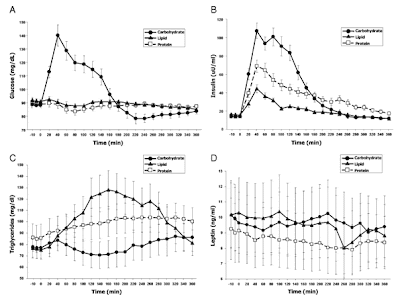
Leptin, however, seems to be less subject to acute responses and is highly correlated with fat mass.  The screenshot I'm posting below has been posted here before.  One of these days I hope to find the study I snagged this from, but I can tell you that it was the differing responses to isocaloric "meals" of each isolated macronutrient.
The timeframe was six hours.  Clearly in the upper right we see the expected insulin response carb>protein>>fat.  But if anything, the postprandr ial response of leptin to food intake is slightly lower levels where protein suppressed the most, fats seeming to have a delayed acute suppression (albeit small) and carbs showing a rebound after an immediate slight reduction.  However those vertical lines tell the whole story, they are the error bars -- IOW, no changes were significant to any statistical measure.

Do LC diets somehow re-set or re-establish normal leptin signaling?  I'm not sure we can conclude this based on this study in T2's I've blogged on previously:  Effect of a Low-Carbohydrate Diet on Appetite, Blood Glucose Levels, and Insulin Resistance in Obese Patients with Type 2 Diabetes.  In this 2 week study, the low carbers spontaneously reduced caloric consumption by ~1000 cal/day and lost an average of 3.6 lbs and "Mean 24-hour serum insulin and leptin levels profiles were statistically significantly lower at the end of the low-carbohydrate diet than before this diet, while ghrelin profiles increased marginally."


Most acknowledge the appetite suppressive quality of LC diets, and this apparently happened here to the tune of a substantial spontaneous intake reduction.   Clearly this is not due to leptin which is lower (rather than higher) after the LC diet.  It is possible (but a stretch IMO) that along with caloric deficit-induced leptin reduction, leptin resistance was reduced even more.

Do other theories on obesity dispel Calorie Balance?

A little while back I listened to this interview with Stephan Guyenet from Whole Health Source blog did with Chris Kresser of The Healthy Skeptic.  I highly recommend listening to this, there's lots of info there.  Stephan discussed various theories on obesity such as Omega 6's, gut flora, inflammation/immune disorders, etc.

Without trying to put words in Stephan's mouth, my overarching take-away message was that Stephan believes that our bodies have "set points" managed by an "adipostat" located in the hypothalamus.  The major hormone involved with the adipostat is leptin.  Leptin is secreted by fat cells and circulating levels are associated with one's level of fat mass.  The theory is that something throws off the adipostat, and that something leads to leptin resistance of the hypothalamus.  When leptin's "stop eating" signal fails to reach the brain, we overeat.  Basically each of the possible causes of the obesity epidemic triggers leptin resistance triggers overeating.

OK, so Americans are eating more (150-300 cal/day on average) and getting fatter.  Sounds like Calorie Balance theory to me!   Gary Taubes in his NYT article stated as much as well, but then went on to write his tome to explain why evidence of Americans eating more was not supportive of Calorie Balance.   I guess the mystery is why we overeat and not that we do.

I kind of like Stephan's set point theory -- it makes a lot of sense to me.  But it doesn't really counter Calorie Balance, instead he offers explanations as to why we "override" our energy balance.   I have to disagree that ELMM is ineffective for weight loss.  That is simply not true.  It works every time it is tried.  Perhaps he means "ineffective" because of difficulties implementing it.  But telling people just to cut carbs is no more effective.  Despite claims in the New Atkins, I've yet to see any study demonstrating greater success rates and maintenance rates with LC.  Yes, there are success stories out there (and I consider myself to be one), but there's no dirth of LC'ers who have regained some or all of their weight back (and I was one of those, twice).  To his credit, Stephan notes that LC spontaneously causes most of us to eat less.

As for the calories out, I think Stephan, like Taubes, has gotten sucked into this notion that all exercise does is make you hungry and that everyone who exercises is stopping off for an ice cream smoothie on the way home.  Yes, there's some truth to that, but not for everyone.  Just because an hour of cardio doesn't offset that smoothie, it's better to have expended those calories than to just have the smoothie.  I don't think it is a bad strategy at all to promote exercise of all sorts to at least prevent obesity.  While burning 100 or 200 calories may not seem like all that much it does compensate for the fact that on the whole, we expend less energy in our daily lives.  Just think remote control, power windows, no microwave, even featherweight vacuums.  Also this study demonstrated that moderate exercise increased fat loss independent of dietary composition and did so because the exercisers essentially didn't slow down as much the rest of the day.  The added fat loss was attributed to maintaining total daily energy expenditure because the calories actually expended for the exercise itself was compensated for with caloric intake.  He does mention a study showing cycling sprints to be more effective for weight loss.  Intuitively this sprint vs. long slow cardio seems to counter the Calorie Balance, but as I recall this type of training actually increases energy expenditure for a period following the exercise itself.  (I would add that we get less ATP out of glucose under anaerobic conditions so this would also reduce the "in").  Both of these support exercise to increase the "out" side of the equation.  Exercising to lose weight is not ineffective if one doesn't ignore the concurrent advice to eat less (or at least not eat more).

None of the obesity epidemic theories dispel the Calorie Balance.  Some go to explaining why some may overeat and/or become less active to get the ball rolling towards obesity, but it is physically impossible to accumulate fat mass w/o taking in more energy than is expended.  And I'm skeptical that these theories explain why we overate so much in the first place, as much as they may explain why we continue to overeat even after becoming considerably overfat.  Many of the proposed culprits (fructose, white wheat flour, veggie oils) have been around in relative abundance since before this epidemic started and they didn't prompt overeating then.

Saturday, July 3, 2010

What's a Healthy Diet?

Over at the GCBC post on weightology.net, Fred Hahn weighed in with statements about low carb diets being the most healthy.  He also repeatedly mentioned speed of weight loss regarding the health of a weight loss diet.  He also seemingly mocks adherence as a factor to consider.

I really believe that in the long run, a healthy diet is one that allows you to maintain a healthy weight.  That need not necessarily be super lean or buff either.   What REALLY gets lipids, blood sugar and hormones out of whack???  Being in chronic positive energy balance, OR being in chronic negative energy balance.  Catabolism is a stressful state, so a case could be made for taking expediency into account.  But the more extreme the caloric restriction (and LC works by creating this spontaneously in most people) the more stress.

Blogger Jimmy Moore, having regained roughly 1/3rd of his 180 lb weight loss over the past couple of years recently went on an "eggfest".  Actually if one looked at his menus for his month long experiment, this could probably have been called a butter fest, but that's not the point.  This was a very high fat, very low carb diet, but something else also happened, Jimmy cut calories.  Jimmy doesn't always post portion info over at his menus blog, but given the amount of added fats he was probably consuming double that prior to going on this diet.  He lost around 30 lbs in a month.  Then he added back meat and very few carbs from veggies and started to see a stall and small gains.  But what else did he add?  Around 4-500 cal/day on average.  Yet to this day he cannot bring himself to recognize the plain truth right there in front of him.  It's the calories stupid!  (And if Jimmy should happen to read this, no I'm not calling you stupid)  -- I've followed his blog for a little over a year now.  When intake went down so did the weight and vice versa.  Jimmy also had blood lipids done after the eggfest, and they were horrible.  I'm not trying to pick on Jimmy here, but this version of LC, at least in the short run, is not reaping improvements in those lipids.  He's been assured by LC experts that this is perfectly normal for someone who has lost significant weight as quickly as he did.  Normal and healthy are not the same thing.  It is normal (aka expected) for lipids to go awry during rapid weight loss and/or drastic dietary change.  So I leave the question out there -- is the most expeditious reducing diet necessarily the healthiest?  Is it better in the long run to lose weight as fast as possible to have the shortest period of haywire lipids, or would it be healthier to lose weight more slowly while stressing the body less?

So what about adherence.  Study after study after survey after survey demonstrates that the single best predictor of success in losing and maintaining weight, is COMPLIANCE.  There are some that can remain on a VLC diet for all eternity.  More power to them.  But what of those who can't?  Read any LC discussion board or various blogs and such and one will find a ton of postings by folks who go up and down the scale and almost invariably the ups were periods of "falling off the wagon".  Myself, my first LC stint I lost 40 lbs.  But when I went off, and couldn't find a way to get back on the wagon, I not only gained 40 but tacked another 60 lbs on top of that!!!  Then you have those who slowly regain as the appetite suppression or whatever wears off.  LC is my chosen WOE because it requires the least amount of attention.  Eat low carb foods and it is difficult to get the count up too high.  But after a while it is easy to consume too many calories.  This is usually blamed on carb creep, but everyone who has re-gained on LC can't all be lying.  Jimmy's foods weren't always perfect, but he was pretty consistently LC but packed on 20 pounds last year.  Thing for LC is that long term compliance may require added effort for some -- carb restriction may not be sufficient to maintain energy balance.  Bottom line, lifestyle change is what works, and it has to be something that can be kept up for the long term.

The web abounds with examples of folks eating LC diets without losing weight and even gaining.  Is low carb healthy in this context?  This is my biggest concern, especially where elevated NEFA's are concerned.

I hear a lot that "low fat made me fat", but I don't believe this.  Low fat reducing diets, especially for women, tend to be too low in protein for adequate satiety.  Therefore they can be difficult to adhere to.  Going off a low fat diet can make you fat.  For me going off a low carb diet made me truly fat.  And no, I didn't binge my way up 100 lbs either.

In any case, Atkins probably didn't intend the super rapid losses on Induction to be the primary goal of that phase as much as getting into ketosis to kickstart the appetite suppression, etc.  But so many long time low carbers do induction for a while then fall off and go on carb binges, and repeat the cycle.  Studies have shown that regardless of diet type, yo yo dieting is HORRIBLE for your health.  With LC I think it is even worse.  Consider that long term low carbing induces an insulin resistant state that essentially makes us semi-diabetic.  Low carbers are advised to "carb up" for several days before taking a glucose tolerance test because insulin response and/or sensitivity is likely impaired.

Whatever level of carbs someone considers "healthy", if  a person can't adhere to that fairly consistently, especially if they binge and gain in between so that their body is essentially perpetually in flux, that can't be healthy.  This is why, although I still weigh more than I would like, I am most satisfied with the fact that I have never back-slid in the past three years (more than a few pounds on vacation).  I think our bodies can handle the occasional indulgence ... severe obesity is unhealthy, yes, but so is chronic energy imbalance.

I think Fred is trying to argue that LC is "intellectually" the healthiest diet.  I'm not sure I would agree with that, but I guess I wonder in the end if that matters much.  If low carbers think they'll gain "converts" or do anything for the "cause" by peddling flawed theories and trashing anyone who disagrees with them for "not getting it" they're sadly mistaken.  If the absolutism that permeated the low fat contingency permeates LC it will be counter productive.  There really aren't examples of longevity amongst cultures consuming VLC diets.  Anyone pointing to the Inuit and the Masai as relevant to their diets is fooling themselves.  There are examples of longevity in cultures consuming moderate and even high carb diets.

I leave you with this graphic from the Shai study commonly cited for the superiority of LC diets.


Which is healthier?  Mediterranean where most of the losses were achieved in ~6 months and then maintained on average for 18 months, or LC where greater losses were achieved in that time but the difference was regained over the next year?


Do these lipid changes make a difference in the long run?

This study was published roughly 2 years ago.  A "where are they now" would be interesting to see.  
Found something helpful today? Please consider a small donation. Thank you!

Where to now?

align="middle" align="middle"

align="middle" align="middle" align="middle"