Welcome all seeking refuge from dogmatic lifestyle advice!

Please check out the tabs below to learn more about the Asylum, its founding and purpose, and the inmate running this place. Take the light-hearted quiz to see if you should stay for a spell and join us over at the Meeting Rooms for some lively discussion.

align="middle" align="middle" align="middle" align="middle"
______________ last updated 6/28/11 _____________________ last updated 7/29/11 _____________________ last updated 6/25/11 ______________________ Come on Over! _________

Saturday, October 30, 2010

Response of plasma ASP to a prolonged fast

Response of plasma ASP to a prolonged fast - Abstract only unfortunately


OBJECTIVE: To determine the changes in the plasma level of acylation stimulating protein (ASP) during a one month total fast in female subjects with marked obesity.
DESIGN: Patients with marked obesity underwent a month total fast, before, during (2 weeks), and at the end of which, a variety of relevant metabolic parameters were measured.
SETTING: A metabolic unit of a teaching hospital.
SUBJECTS: 10 women with marked obesity were studied and the results compared with those in 16 age-matched controls.
MAIN OUTCOME MEASURES: Plasma ASP, lipoprotein lipids, apoB, free fatty acid, and ketone levels.
RESULTS: At baseline, fasting levels of ASP in the obese group were double that in control subjects (116 +/- 26 vs 53 +/- 30 nM P < 0.001). During the fast, ASP levels dropped progressively and were within the normal range at the end of the study (63 +/- 16 vs 53 +/- 30 nM pNS). In addition, there was a strong correlation between the plasma ASP at baseline before beginning the fast and the 4 week drop in ASP. That is, those subjects who had the highest starting ASP also had the largest 4 week drop in ASP (r2 = 0.644, P < 0.005). Of interest, as plasma ASP levels dropped, plasma free fatty acid and ketone levels rose and when all timepoints were considered, there was a significant inverse relation between plasma ASP and plasma free fatty acid (r2 = 0.295, P < 0.0002).
CONCLUSIONSThe pattern of responses during the fast is that of increasing mobilization of fatty acids from adipose tissue coincident with decreased activity of the pathway responsible for the storage of adipocyte triglyceride mass. The data are consistent, therefore, with the role proposed for ASP as a major determinant of the rate of triglyceride synthesis in human adipocytes and thus a potentially important factor in the pathophysiology of obesity.


It seems to me that it has been demonstrated in this, and other studies (that I've either shared or will as I get around to posting them) that ASP, as the highlighted conclusion above states, plays a major role in the Triglyceride/Fatty Acid cycle by controlling the the esterification (triglyceride synthesis from fatty acids + glycerol) rate.  This particular study demonstrates that ASP is not just involved transiently in the clearance of dietary fats (see, for example ASP action in vivo in humans), but rather has a basal/continual role in the on-going TAG/FA cycle.  Insulin primarily controls the release of fatty acids from the adipocyte, ASP seems to control the incorporation of fatty acids into triglycerides.  

On the GCBC Fact Check front:  Taubes ignored ASP and continues to ignore it.  It is worthwhile to note the date on this article:  1995.

Note that the obese women had higher fasting levels of ASP.  Fasting insulin tends to be elevated in the obese as well.  Taubes often repeats the carbs drive insulin drives fat storage.  That logic could similarly be applied to dietary fat, because as we know, fats (chylo) drive ASP drives fat storage.

Friday, October 29, 2010

Subdivisions of subcutaneous abdominal adipose tissue and insulin resistance

Subdivisions of subcutaneous abdominal adipose tissue and insulin resistance

This is a very interesting article.  They looked at not only visceral vs. subQ abdominal fat, but differentiated between two types of abdominal SCAT (subcutaneous adipose tissue):  superficial vs. deep.

There is a well described fascial plane within the SAT of the abdomen (18, 28), with the superficial adipose layer possessing compact fascial septa (Camper’s fascia), whereas the deeper layer of adipose tissue has more loosely organized fascial septa (Scarpa’s fascia).  Fat lobules of the two sites also differ. The superficial layer is characterized by small tightly packed lobules, whereas those of the deeper layer are larger and distributed in an irregular manner (28). The thickness of the deep layer appears more variable among individuals and especially in relation to obesity (3). The presence of these fascial planes and differences in histology are well recognized with respect to liposuction, which generally is targeted toward the deep layer (15, 23).  Given the anatomical basis for considering the two layers of SAT in the abdomen different and the ability to delineate the fascial plane utilizing CT (22), the current study was undertaken to examine these adipose tissue depots from a metabolic perspective. The related purpose was to address current controversies regarding the importance of subcutaneous abdominal adipose tissue in relation to IR.
I doubt the screen shot below will show up well, but thought to include them anyway:


Summary of Body Composition:

  • Systemic FM (I'll use TotFM) was greater in the obese (obviously) and women compared to men in both groups.  
  • Thigh FM (I'll use TFM) and superficial abdominal SAT (I'll use SASAT) was also greater in the women
  • Deep abdominal SAT (I'll use DASAT) did not differ between genders
  • Obese had 2-3X as much DASAT and visceral adipose tissue (VAT) vs. lean
  • VAT was not significantly different between genders but trended towards greater VAT in males 
  • DASAT was significantly greater crossectional area than VAT in the obese
  • About 3/4's (mean ~76%) of the DASAT is located in the posterior (back), and this partitioning varied within a relatively small range (67-87%).  This distribution did not differ in obese v. lean or between genders.
  • Anterior and Posterior SASAT is more evenly distributed around the circumference of the abdomen,  being ~55% front /45% back.
  • The proportion of SASAT of all abdominal fat (I'll use TAFM)  was 45% v. 41% in lean women vs. obese women
  • The proportion of SASAT of all abdominal fat was only 28% in both lean and obese men
  • The proportion of DASAT of all abdominal fat did not differ significantly between genders but does appear to trend towards higher levels in men.
  • The difference in proportion of DASAT (compared to TAFM) was statistically significant for obese v. lean in both genders:  32% LW, 37% OW, 36% LM, 44% OM
  • VAT proportions were as follows:  23% LW, 36% OW, 20% LM, 27% OM.  This was stastically significant for obese v. lean but not for gender.
  • VAT was highly correlated with DASAT (r = 0.76),VAT was more modestly correlated with SASAT (r = 0.43).   Statistical Aside:  When two variables are tested for correlation, the closer r is to 1, the tighter the correlation so this is a rather "huge" difference between the two types of SAT and their correlations to VAT.  
Summary of Relationships between Types of Abdominal Adipose Tissue Depots and Metabolic Variables:
  • Glucose Rd (a measure of clearance rate) is negatively correlated with TotFM
  • Glucose Rd was not significantly correlated with SASAT or TFM
  • Glucose Rd was significantly negatively correlated with DASAT and VAT, the strength of this correlation (r) was similar between the two fat depots.
  • Combined DASAT & VAT (considered together) were even more strongly correlated (r = 0.68) with decreased glucose Rd than either fat depot considered separately
  • Both TotFM (this part is unclear, from the table I think it's TotFM, from the title of the section one might imply total truncal fat) and VAT accounted for 45% of the variance in insulin sensitivity.  Statistical aside:  This statement is related to the degree of correlation (r = correlation coefficient).  Let's use the common example of height and weight which are generally significantly correlated.  If you select an adult at random and measure their height, there will be considerable variability in the result.  If the r for the height weight correlation is 0.7 - made up number - then r^2 = 0.49 and we would say that 49% of the variability in weight is accounted for by its correlation to height. 
  • DASAT is independently associated with insulin sensitivity (r^2 = 0.51) when TotFM (again not sure if this was total truncal fat), VAT & DASAT are included in the model.
  • Controlling for either TotFM+VAT or TotFM+DASAT, SASAT was not associated with insulin sensitivity.
  • The strengths of association for various fat depots and insulin sensitivity were similar to those of glucose clearance and rank:  VAT, DASAT > TotFM, total abdominal SAT > SASAT
  • Correlations for glucose and insulin AUC (a measure of total exposure over a defined time period) were weaker.  But they were similar for VAT and DASAT and both greater than SASAT which seems to follow the correlation pattern of TFM
  • This pattern was repeated for fasting insulin where VAT and DASAT (r = 0.57 and 0.58 respectively) were significantly greater than for SASAT and TotFM (r = 0.26 and 0.27 respectively)
  • Other parameters are shown in the table below.  The pattern continues where SASAT "behaves" more similarly to TFM than do DASAT and VAT which behave similarly.

From the Discussion:

The current study was undertaken to examine the novel hypothesis that superficial and deep depots of subcutaneous abdominal adiposity, defined anatomically by a fascial plane that divides the two depots and differing in histological characteristics (22), might also differ in regard to their association with insulin resistance.  The findings clearly indicate that strong differences do exist. Superficial SAT manifests a powerful relation to plasma leptin but a weak association with insulin resistance, and in these and other respects, it follows a pattern observed for thigh subcutaneous adipose tissue, a depot generally regarded as a weak determinant of insulin resistance. In contrast, the deep subcutaneous adipose tissue of the abdomen manifests a robust relation to IR and other key aspects that define the insulin resistance syndrome (e.g., blood pressure, fasting insulin, and lipids); moreover, it does so in a pattern nearly identical to that observed for visceral adiposity. Therefore, from the perspective of understanding body composition and insulin resistance, these results indicate that it is not accurate to ‘‘lump’’ these two differing adipose tissue depots into a single category, but instead it may be useful to ‘‘split’’ the depots in accord with the anatomic demarcation of the fascial plane (18).
From a personal standpoint, I find this somewhat reassuring as I'm pretty sure that my "central adiposity" is of the superficial variety.  Therefore the shift from its former location (thighs/butt) to the belly may well not have any negative health implications as the behavior of this fat is metabolically similar to that of the depots from where it shifted.  


Wednesday, October 27, 2010

Changes in Energy Balance and Body Composition at Menopause

Changes in Energy Balance and Body Composition at Menopause: A Controlled Longitudinal Study  (Abstract only unfortunately)

This isn't LC related, but it is weight related.  And ... it's from the "It's Just Not Fair" department :-(

Abstract

Objective: To describe the effects of menopause on resting metabolic rate, body composition, fat distribution, physical activity during leisure time, and fasting insulin levels.
Design: A longitudinal comparison of metabolic changes in women who experienced menopause with changes in age-matched women who did not experience menopause.
Setting: General clinical research center.
Patients: An initial cohort of 35 sedentary healthy premenopausal women (age range, 44 to 48 years). After 6 years of follow-up, 18 women had spontaneously stopped menstruating for at least 12 months and 17 women remained premenopausal. No women received hormone replacement therapy.
Results: Women who experienced menopause lost more fat-free mass than women who remained premenopausal (−3.0 ± 1.1 kg and −0.5 ± 0.5 kg, respectively), had greater decreases in resting metabolic rate (−103 ± 55 kcal/d and −8 ± 17 kcal/d) and physical activity during leisure time (−127 ± 79 kcal/d and 64 ± 60 kcal/d), and had greater increases in fat mass (2.5 ± 2 kg and 1.0 ± 1.5 kg), fasting insulin levels (11 ± 9 pmol/L and −2 ± 5 pmol/L), and waist-to-hip ratios (0.04 ± 0.01 and 0.01 ± 0.01) (P ≤ 0.01 for all comparisons). Menopause did not affect energy intake, fasting glucose levels, or peak oxygen consumption.
Conclusions: Natural menopause is associated with reduced energy expenditure during rest and physical activity, an accelerated loss of fat-free mass, and increased central adiposity and fasting insulin levels. These changes may indicate a worsening cardiovascular and metabolic risk profile.          

If I'm reading this right, there is a combined change in energy expenditure of around 225 cal/day.
Yep ... no fair!!!


Sunday, October 24, 2010

Insulin Resistance ~ Taubes v. Frayn

Let's start with a discussion of :  Adipose tissue and the insulin resistance syndrome
(Another contribution from that "English Guy" ... Keith Frayn ...  note the date:  2001)
Obesity is associated with insulin resistance. Insulin resistance underlies a constellation of adverse metabolic and physiological changes (the insulin resistance syndrome) which is a strong risk factor for development of type 2 diabetes and CHD. The present article discusses how accumulation of triacylglycerol in adipocytes can lead to deterioration of the responsiveness of glucose metabolism in other tissues. Lipodystrophy, lack of adipose tissue, is also associated with insulin resistance. Any plausible explanation for the link between excess adipose tissue and insulin resistance needs to be able to account for this observation. Adipose tissue in obesity becomes refractory to suppression of fat mobilization by insulin, and also to the normal acute stimulatory effect of insulin on activation of lipoprotein lipase (involved in fat storage). The net effect is as though adipocytes are ‘full up’ and resisting further fat storage. Thus, in the postprandial period especially, there is an excess flux of circulating lipid metabolites that would normally have been ‘absorbed’ by adipose tissue. This situation leads to fat deposition in other tissues. Accumulation of triacylglycerol in skeletal muscles and in liver is associated with insulin resistance. In lipodystrophy there is insufficient adipose tissue to absorb the postprandial influx of fatty acids, so these fatty acids will again be directed to other tissues. This view of the link between adipose tissue and insulin resistance emphasises the important role of adipose tissue in ‘buffering’ the daily influx of dietary fat entering the circulation and preventing excessive exposure of other tissues to this influx
That abstract explains the somewhat paradox of the "metabolically obese thin people".   One function of adipose tissue is as a buffer of sorts to maintain appropriate circulating lipid levels.  This is important because of the basic physics of  immiscibility (non-mixing) of aqueous and non-polar liquids (think water and oil).   The over-stuffed adipocyte model makes sense even from a common sense POV.  If you think about a balloon being filled with air, it gets harder and harder the more full the balloon gets to blow more air into it.  Also, the mechanical integrity of the balloon deteriorates the more we stretch it.  When you look at an adipocyte, they sort of resemble balloons.  The "metabolic stuff" is located near the membrane on one side (other cells have nuclei central to the cell and mitochondria and other organelles throughout), sort of like the air inlet on a balloon.  One can expect the stuffed cell to have diminished integrity, etc.


Here is a rather simplistic model Frayn uses to describe the development of IR:

Note that Frayn implicates energy excess in the development of obesity.  From the discussion:
  
...If increasing fat storage in adipose tissue is associated with increasing insulin resistance, the simplest explanation might be something like that shown in Fig. 1; adipose tissue releases some signal (‘substance X’ in Fig. 1) that affects muscle and liver glucose metabolism (since these are the metabolic variables measured as insulin resistance)....
The most consistent evidence in favour of a candidate for substance X relates to fatty acids. (The general term fatty acids, rather than non-esterified fatty acids (NEFA), has been used for reasons expanded later.) ... NEFA release from adipose tissue is suppressed by insulin in both lean and obese individuals, but in obesity the process is ‘insulin resistant’ in that the dose–response curve is shifted to the right. NEFA release per unit fat mass is actually less in obese subjects than in lean subjects (effectively, it is down regulated by the fasting hyperinsulinaemia).  However, because of the increased fat mass, total NEFA delivery to the circulation is increased in obesity. Furthermore, if ‘lean body mass’ (including skeletal muscle and liver) is used as the denominator for NEFA turnover, then NEFA delivery to the consuming tissues is clearly increased in obesity. The ‘insulin resistance’ of adipose tissue lipolysis may be particularly relevant in relation to the delivery of NEFA in the postprandial period.  Despite high plasma insulin concentrations in response to a standard mixed meal, obese subjects fail to suppress NEFA release from adipose tissue at a time when it is completely suppressed in lean subjects.
So, in lean people, postprandial insulin *traps* fat in the cells, yet they are lean, so obviously this fails to result in net accumulation.  But in obese people, the insulin FAILS to trap the fat in the cells.  Thus there isn't this lack of available fatty acids to the hyperinsulinemic person as is sometimes portrayed by the authors of popular diet books.  
... in obesity the insulin-sensitive glucose-consuming tissues are subjected to an increased influx of fatty acids, and this increase is particularly marked in the postprandial period when adipose tissue, through ‘insulin resistance’, fails to protect other tissues from the influx of dietary fatty acids.
Frayn's description of insulin resistance is clearly of the "fat fails first" variety.  A theory consistent with the available evidence in 2001 (around the time of "Big Fat Lie", and LONG preceding the research and publication of GCBC).

So ... once again, I'm left to wonder how Taubes arrived at his version of the progression of insulin resistance in his GCBC book.  Starting on p. 394 of GCBC on Google books, (the entirety of the excerpts to follow are not available on Google, but I presume this page number corresponds to that of the hard copy).
"Over the years, prominent diabetologists and endocrinologists -- from Yalow and Berson in the 1960's through Dennis McGarry in the 1990's -- have speculated on this train of causation from hyperinsulinemia to Type 2 diabetes and obesity.  Anything that increases insulin, induces insulin resistance, and induces the pancreas to compensate by secreting still more insulin, will also lead to an excess accumulation of body fat.
That highlighted sentence is simply not true.   Neither carbohydrates nor proteins are associated with insulin resistance.  Indeed the only carb associated with IR is fructose, and fructose is also the one carb that doesn't elicit an insulin response.  

Taubes goes on to discuss James Neel "revisiting" his thrifty-gene hypothesis and how in 1982 Neel rejected it, instead suggesting three scenarios of physiological responses to excessive glucose pulses.   The first scenario involves a disproportionate quick insulin response.  The second involves the development of IR so that a proper insulin response fails to clear glucose from the blood.  But Taubes seems to focus on the third:
Neel's third scenario is slightly more complicated, but there's evidence to suggest that this one comes closest to reality.  Here an appropriate amount of insulin is secreted in response to the "excessive glucose pulses" of a modern meal, and the response of the muscle cells to the insulin is also appropriate.  The defect is in the relative sensitivity of muscle and fat cells to the insulin.  The muscle cells become insulin-resistant in response to the "repeated high levels of insulinemia that result from excessive ingestion of highly refined carbohydrates and/or over-alimentation," but the fat cells fail to compensate.  They remain stubbornly sensitive to insulin.  So, as Neel explained, the fat tissue accumulates more and more fat, but "mobilization of stored fat would be inhibited."  Now the accumulation of fat in the adipose tissue drives the vicious cycle.
Note:  Neel's exact words are presented in quotations, Taubes' words fill in.  Based on my fact-checking of some of Taubes' other references, I'm not at all sure Neel actually stated that fat becomes IR last.  But, presuming Taubes' characterization of Neel's work is accurate, this is clearly counter to Frayn's work above.  (See also The Progression of Insulin Resistance and Fat Fails First?)   However do note that even Neel's sequence of events begins with over-eating of carbs and/or in general.  This is counter to the whole "but why do we overeat" nonsense, and the whole "fat accumulation drives us to overeat, not the other way around".  IOW, Taubes inadvertently (as he does numerous times in GCBC) provides references/evidence counter to his unnecessary "alternate hypothesis",  and Critical Conclusion #5.

This scenario is the most difficult to sort out clinically, because when these investigators measure insulin resistance in humans they invariably do so on a whole-body level, whic is all the existing technology allows.  Any disparities between the responsiveness of fat and muscle tissue to insulin cannot be measured.

FALSE


I could list many MANY more.   Dated in the 90's and such.  This is a big problem with GCBC that I've had since I first heard someone extol it's virtue of highly referenced extensive research.  SOOOOOO much of that is 40+ years old, and Neel's work referenced here was over 25 years old at the time of GCBC's publication.  

Insulin Resistance – What Is It and How Do We Measure It?  This is an equine publication from 2009, but a review of older works.  

Clearly the understanding of IR and it's progression pre-dated GCBC.  If only Taubes had bothered to do such research?  Perhaps Taubes hadn't yet heard of or become acquainted with Keith Frayn?  Unfortunately he can't claim that b/c he cites Frayn in GCBC.  

I can only conclude that this is an example of the "scholarly incompetence" Taubes seemingly prefers to cop to.  Or could it be selling books?  LOL ... how dare I suggest that!


Friday, October 22, 2010

Comparative Fatty Acid Toxicity on Macrophages

Comparative toxicity of fatty acids on a macrophage cell line (J774)


In the present study, the cytotoxicity of palmitic, stearic, oleic, linoleic, arachidonic, docosahexaenoic and eicosapentaenoic acids on a macrophage cell line (J774) was investigated. The induction of toxicity was investigated by changes in cell size, granularity, membrane integrity, DNA fragmentation and phosphatidylserine externalization by using flow cytometry. Fluorescence microscopy was used to determine the type of cell death (Acridine Orange/ethidium bromide assay). The possible mechanisms involved were examined by measuring mitochondrial depolarization, lipid accumulation and PPARγ (peroxisome-proliferator-activated receptor γ ) activation. The results demonstrate that fatty acids induce apoptosis and necrosis of J774 cells. At high concentrations, fatty acids cause macrophage death mainly by necrosis. The cytotoxicity of the fatty acids was not strictly related to the number of double bonds in the molecules: palmitic acid>docosahexaenoic acid>stearic acid=eicosapentaenoic acid=arachidonic acid>oleic acid>linoleic acid. The induction of cell death did not involve PPARγ activation. The mechanisms of fatty acids to induce cell death involved changes in mitochondrial transmembrane potential and intracellular neutral lipid accumulation. Fatty acids poorly incorporated into triacylglycerol had the highest toxicity.
 I could C&P the entire introduction to this paper but don't want to do that, so please go read it.  Summary:

  • The FFA/NEFA are generally implicated in having toxic effects in non-adipose tissues, aka lipotoxicity
  • Saturated fatty acids tend to be more lipotoxic
  • Ectopic (non-adipose) triglyceride storage is somewhat protective but this remains under consideration as metabolites/intermediates of triglycerides (ceramides) are implicated in toxicity.
  • Cell death contributes to the inflammatory properties of FA's
  • PPAR-ɣ increases reduce inflammatory cytokines like IL's and TNF-α
Macrophage infiltration into adipose tissue in obesity is implicated in the inflammatory state associated with obesity.   It should be noted that this study was in vitro (e.g. culture dish) on a non-human (murine to be exact) derived cell line.   But the elevated NEFA associated with insulin resistance and T2 Diabetes would produce a "toxic" state within adipose tissue leading to macrophage death (and adipocyte death?). 

Cell death types:  
  • Apoptosis, aka programmed cell death:  When functioning properly, this is the "natural" death of cells for cellular turnover in tissues, etc.  In cancer, apoptosis is short circuited leading to so-called immortal cells.  Some toxic conditions lead to disruption of the normal signals and pre-mature apoptosis.  
  • Necrosis:  Premature cell death due to some - always detrimental - external source.  Necrosis initiates a greater immune response as dead cells must be engulfed and removed, and such cells rupture and "spill" more "stuff" into the surroundings than cells undergoing PCD.
Some exerpts:
In the present study, we evaluated whether the induction of cell death could be a mechanism by which FAs modulate macrophage function. Indeed, treatment with different concentrations of FAs was toxic to the macrophage cell line J774, as assessed by loss of membrane integrity and DNA fragmentation.  In most cases, the lowest concentration that caused loss of membrane integrity was the same that induced DNA fragmentation (Table 3), and the percentages were similar. These findings are indicative that necrosis and apoptosis occurred concomitantly.
... high FA concentrations cause macrophage death mainly by necrosis. This effect was also observed by others after treatment of different cell types, such as melanoma, leukaemia cell lines, lung carcinoma and fibroblasts, with high concentrations of FA [49–51].  The results of both loss of membrane integrity and/or DNA fragmentation shown in the present study suggest the following rank of toxicity on J774 cells: PA>DHA>SA=AA=EPA>OA>LA 
... The relationship between lipid accumulation and apoptosis has been demonstrated through a series of experiments with different cell lines [63–65]. Accumulation of excess FAs into the TAGpool has been postulated to divert these molecules from pathways that lead to toxic effects and, thus, lipid bodies may serve as buffers against lipotoxicity [19]. Treatment with all FAs led to an increase of lipid bodies inside J774 cells (Figure 2B).  Cells treated with non-toxic concentrations of the FAs exhibited higher granularity, indicating accumulation of lipid droplets that was observed by fluorescence microscopy. 
A look at Figure 1 indicates a threshold behavior for the toxic effects.

I have not addressed everything in this article and this post is sort-of half book marking, half just putting this out there as I had not seen a discussion of this nature before.

Tuesday, October 19, 2010

Insulin: Endogenous Cardio-Protector?

Is insulin an endogenous cardioprotector?

Presented without comment, except to say that hyperinsulinemia is not the problem, it's what causes the hyperinsulinemia.  That being insulin resistance!

Visceral fat and insulin resistance – causative or correlative?

Having been introduced to "the English guy" aka Keith Frayn, I've discovered a rather extensive, as well as diverse, body of work by this researcher.   I'm sure to be sharing more in the coming weeks.  

The association between abdominal fat accumulation and risk of chronic diseases, including type II diabetes and coronary heart disease, has long been recognized. Insulin resistance may be a key factor in this link. Many studies have pointed to an association between insulin resistance and intra-abdominal fat accumulation (visceral obesity). However there is no clear proof of a causal link between visceral fat accumulation and insulin resistance. In assessing the probability of a causal link, it is useful to consider potential mechanisms. One such potential causal link is the release of non-esterified fatty acids from visceral fat into the portal vein, so that they have direct effects on hepatic metabolism. Visceral fat has been shown in many studies to exhibit a high rate of lipolysis compared with subcutaneous fat depots. However, if the idea that visceral fat releases fatty acids into the portal vein at a high rate is examined critically, a number of difficulties appear.  Not least of these is the fact that continued high rates of lipolysis should lead to the disappearance of the visceral fat depot, unless these high rates of fat mobilization are matched by high rates of fat deposition. There is far less evidence for high rates of fat deposition in visceral adipose tissue, and some contrary evidence. Evidence for high rates of visceral lipolysis in vivo from studies involving catheterization of the portal vein is not strong. If this potential link is discounted, then other reasons for the relationship between visceral fat and insulin resistance must be considered.  One is that there is no direct causal link, but both co-correlate with some other variable. A possibility is that this other variable is subcutaneous abdominal fat, which usually outweighs intra-abdominal fat several-fold. Subcutaneous fat probably plays the major role in determining systemic plasma non-esterified fatty acid concentrations, which are relevant in determining insulin resistance. In conclusion, there is at present no proof of a causal link between visceral fat accumulation and insulin resistance, or the associated metabolic syndrome. The possibility of co-correlation with some other factor, such as subcutaneous abdominal fat accumulation, must not be forgotten.
Hmmmm.... Co-correlation.  

This article discusses essentially 5 types of "central adiposity", so I might suggest an alternate title of "Central fat and insulin resistance".
  • Intra-abdominal, aka Visceral Fat:  mesenteric and omental (pot-belly) in the front, and perirenal/retroperitoneal (as you see on my diagram these are different depots but described as the same in the article, so I take their intention to be non-subQ back fat).
  • Subcutaneous:  anterior (paunch) and posterior (love handles)
Here is a good diagram of where each of the various adipose depots are located:
Some excerpts:

A number of studies have been aimed at identifying which of these various abdominal depots is most closely associated with insulin resistance. This is problematic since the subcutaneous and intra-abdominal depots are themselves correlated ...
One approach used specifically to examine the contribution of the intraabdominal depots has been to select subjects with large or small amounts of intra-abdominal fat, but to match them for total body fat and for subcutaneous abdominal fat.... this approach seemed to show that intraabdominal fat accumulation is associated with insulin resistance ... [but in this] study the groups did also differ in subcutaneous abdominal fat (by 11% on average) ...  the complementary experiment, matching for intra-abdominal fat and comparing people with high and low amounts of subcutaneous abdominal fat, has not been done. 
Another approach is to study a large number of people and use correlation analysis.  Studies using this technique show that the closest correlation with insulin resistance is seen with the subcutaneous abdominal depots.   Interestingly, these studies seem to show that the posterior subcutaneous depot is more closely associated with insulin resistance than is the anterior depot ... perirenal depot in these studies is clearly not associated with insulin resistance.
There is, then, a clear association between abdominal obesity and insulin resistance. Some studies suggest that the intra-abdominal or visceral depots show the closest link with insulin resistance, although others do not, and more evidence on this point is needed. However the observation of a link between abdominal obesity and insulin resistance does not mean that the former causes the latter. It could mean that insulin resistance causes abdominal obesity, or that both abdominal obesity and insulin resistance co-correlate with some other factor. 


Here's a summary of the results/conclusions for each of the five fat types:

1.  Anterior SubQ (aka paunch, muffin top, belly roll, over the belt flop):  Associated with IR

2.  Posterior SubQ (aka love handles, haunches):  Associated with IR, stronger than ASQ

3.  Omental (aka beer belly, pot belly) & 4.  Mesenteric:   Associated with IR but the Portal Theory (that these depots release NEFA into the portal vein therefore have a direct effect on the liver is not born out by in vivo studies.  "Some studies suggest that the intra-abdominal or visceral depots show the closest link with insulin resistance, although others do not"

5.  Perirenal:  Not associated with IR

Sat Fat --> PUFA = Less SubQ Belly Fat?

Mostly a bookmarking post, but I found this interesting

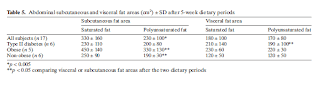
Substituting dietary saturated fat with polyunsaturated fat changes abdominal fat distribution and improves insulin sensitivity

For some reason I can't C&P the abstract.

They analyzed the results of 5 weeks on diets rich in sat fat vs. PUFA (described as spreads and oils, presumably high in omega 6 and probably some transfats :( ) on T2's, obese and non-obese subjects.  The study size was small, but I think most readers will be as surprised as I was by the results.

All of the PUFA groups had less subcutaneous belly fat at the end of the 5 weeks. This was statistically significant in the non-diabetics, both obese and non-obese.  Visceral fat either decreased or stayed the same. This was statistically significant for the diabetics, but not the non-diabetics.  

The PUFA group seemed to eat less, but total body weight didn't change.  Not sure what that's about.  Could be underreporting or a slower metabolism?  In any case, if this can reduce belly fat .....

Insulin sensitivity IMPROVED on the PUFA diet.  

This goes counter to that n=1 "study" by the journalist that altered her diet to consume O6's that has been making the LC rounds lately.  

Omega 3's

Effects of Omega-3 Fatty Acids on Lipids Glycemic Control in Type II Diabetes and the Metabolic Syndrome and on Inflammatory Bowel Disease, Rheumatoid Arthritis, Renal Disease, Systemic Lupus Erythematosus, and Osteoporosis           Summary

This is a summary of all the research this group could find about O3's.  Just putting this here to bookmark and FYI.

Sunday, October 17, 2010

The Insulin Finale

James Kreiger just posted his final chapter in his series on insulin.  If you don't want to read the entire series, I highly recommend reading this last installment that summarizes all points.

Insulin, An Undeserved Bad Reputation: The Finale

What's with all the supplements, and Primal hypocrisy

I've come to be somewhat amazed at the numbers of supplements taken by the low carb community.  I understand that some of our modern foods are almost bound to be deficient in someway or another, but I simply can't understand how any diet can be considered healthy (or the healthiest) when so many supplements are still required.  

I've seen Dana Carpender describe herself as an "accomplished swallower", Jimmy Moore takes a ton of supps, Mark Sisson has his own (pricey!!) supplement line, etc.etc.  The Eades provided a long list of supps to take with their 6WC diet.  This list could go on and on.

I wonder what the evolutionary advantage would have been to waking up in the middle of the night with crippling leg cramps.  I don't know about you, but I've never experienced anything quite so agonizing until I low carbed without taking potassium.   Bananas and potatoes anyone?

Now granted if it were only low carbers taking the stuff, GNC, Vitamin Shoppe and the like would all be out of business, but in general I never experienced such great fervor for taking all those pills and liquids back in my low fat days.  And I was in with some pretty serious diet & fitness crowds at various times too.

I often wonder if some of the "miracle cures" experienced by some low carbers are due to carbohydrate restriction or the improved micronutrient content of their diets through supplementation.  No doubt eliminating gluten from the diets of most low carbers can be helpful for those with undiagnosed intolerance.  

So I'm sure many of my readers are aware that I follow Jimmy Moore's low carb menus blog, and have commented over there on occasion.   I was shocked to see Mark Sisson had come out with a new product:  Primal Fuel meal replacement powder.  Apparently this isn't his first product of its kind, but I haven't really looked into this side of him.  Anyway, so much for real whole foods and the whole "spirit" of the evolutionary diet argument.  But OK, well, maybe it's not a whole food, but it's still primal.  I guess primal is what Mark Sisson says it is?  The formula contains sucrose (not a lot, but ...) and maltodextrin!  The former maybe acceptable as sucrose does exist in nature, but maltodextrin?   I consider this to be hypocritical on Sisson's part.  Maltodextrin is made from starch, the starch Sisson routinely derides when he assesses certain foods as acceptable for primal lifestyles or not.  Sigh :-(    Mark has responded to several comments about the maltodextrin saying it is an anticlumping agent in all powdered coconut milk.  He says it is obtained from casava.  Fair enough ... sounds mighty Primal to me!  NOT.  Maltodextrin is not a glucose polymer found naturally in casava roots.  And maltodextrin derived from casava is no different than that derived from corn.  The starch is "extracted" from the whole food then enzymatically modified to maltodextrin.  Let's be honest about this and not try to pass it off as some sort of Primal ingredient.  I know Sisson is all about "honoring our Primal genes" while living in the modern world.  But Sisson routinely shuns whole foods or less processed derivatives of them (e.g. flour) because of their carbohydrate/starch content.  Yet this one is OK?    Sisson has a built in "fudge factor" for the Primal Lifestyle -- the 80/20 rule.  More 20% for ya I guess. 

Saturday, October 16, 2010

Update II: Gary Taubes email/blog exchange

WOW, just realized how long this is!  Sorry!!


OK folks.  I've waited a couple of days here to see if I would get another email from GT before posting an update on our exchange.  No further emails, so here's the scoop dear readers.

In response to some of my recent posts, GT initiated an email exchange with me.  I don't really participate in private email exchanges over science stuff unless there's an understanding that I can share what is discussed.  Why?  Because anything of some utility to me, would be of no utility to others if I can't share it.  Then I'm left in the precarious situation of deciding what content/info I may wish to share on my blog.    It's highly wasteful of my time to respond separately in private and public venues, so I would rather use my time more wisely.

At the end of his initial email, GT stated that I could share the email so long as I did so in full.  I took this to mean that GT was interested in "open sharing", but preferred the whole exchange be shared rather than excerpts so that there would be no possibility of me distorting what he said or him being misunderstood.   One indignant reader even chastised me for naming names in a separate post prior to publishing the entire email with my responses here.  In the end, I honored that request even though in doing so I posted GT's personal attacks on me in the process.  I also emailed a copy of the blog post to GT so he wouldn't have to even visit my blog if he didn't want to.

GT emailed me in response a couple of days after that post.   He challenged me on only one issue in my email/point-by-point response, that being the timing of when he came to know his G3P theory was wrong.   There was a lot of superfluous detail about a recent move, other work obligations, etc. that I didn't think were relevant to the discussion and the inconsistencies.  So I condensed that portion of the email down to a timeline and sent him an advance copy to make sure he didn't feel my editing changed or mischaracterized anything he had said.

In response to that, he said that this was why he had wanted to discuss my Glyceroneogenesis v. Taubes post on the telephone and that he wasn't comfortable with public sharing private emails.  Hmmmm... can you say "rule change" anyone?

I would not have bothered to even respond to his first email without the permission to be able to share the content.  That is the purpose of this blog after all. To share.  I hope we can discuss this stuff here in the comments for everyone to read.  Taubes wants to read my blog and discuss it in private.  First he only wanted me to share his email if I did so in full, now he says he doesn't want me to share them even in redacted form.   I would prefer he post in the comments and save everyone a lot of time.

I'll be blunt.  I feel this tactic of his is an attempt to silence me.  By taking the discussion to email he wants to dictate what parts of the discussion I can write about.  Sorry, not falling for that crap.    When I challenged him on this he said I was free to share the conclusions of our exchange.  What does that mean?  I don't see how the consolidated email I was planning to share wasn't mostly doing just that.  So if that wasn't OK with him, then would I have to run every "conclusions" blog post past him to make sure I don't violate some nebulous rules about what is and isn't important?  What is and isn't suitable?   Not falling for it.  I will not cede editorial control of this blog to Gary Taubes because he can't handle criticism.

This is why I prefer public discourse on such topics.  And this is why I will not correspond further with GT unless I can share anything he writes. I have offered him "the floor" here at my blog to answer my and many of your questions, but he doesn't seem interested in publicly discussing the science.  He seems more interested in trying to convince me where I'm wrong about him or his version of science than addressing any of my posts citing evidence that he is wrong.

In my opinion, I think he knows that such public discussion can only hurt sales of his upcoming rehash of the same old same old.

Of all the points raised by me in my response, GT sought only to address one in his first reply -- that of my  interpretation of the timeline of his knowledge of glyceroneogenesis' contribution to G3P in his mea culpa interview with Jimmy Moore.    I'll take GT on his word that the timeline he provided is accurate, but I think anyone listening to that interview (~42 min mark) might find themselves equally "confused" on the "facts".    I would hardly call my interpretation dishonest, an attack he made in his initial email, in thinking he knew since 2008.

Here's his timeline:


2/19/2010 NIH lecture:  Met with Kevin Hall and Carson Chow (the young biophysicists)  who brought up problems with G3P section in the Q&A period.

Email exchange and conversations ensued

3/7/10 Spoke with Gunther Boden at Temple, but "he couldn't really resolve the dispute at that level of detail we were working."

3/8/10 Spoke with Keith Frayn (the English guy)

4/1/10 Moved family cross country.  GT describes how busy he was with other lectures and moving issues (living in a rental temporarily, etc.).

4/15/10  This is verbatim from the email:  "At the Swedish Hospital  lecture, I addressed the problems with g-3-p and said that my previous understanding had changed. (I don't remember exactly how I dealt with it, only that the slides I used were screwed up. You can see it on-line and maybe have.")

6/14/10 Date of Interview with Jimmy, again verbatim:  "I took the opportunity to set the record straight. So it was effectively three months between the time I knew that what I had written in GCBC was wrong (although I still have doubts about the details, but so be it...) and the time I acknowledged it publicly.


This doesn't clear up any number of other lingering questions as to why he didn't know this sooner, but also  related to the 2003 Reshef paper cited as a reference in GCBC.  I specifically asked about Reshef, AGAIN, in a follow-up email.  It was ignored.   There's more to come on this issue that demonstrates that Taubes should have known he was wrong about his G3P theory while researching GCBC.  His dietary carb is required for fat accumulation schtick in the lectures was not just an innocent "skewing".

GT prefers to distract from the issue attacking my blogging style, and, now, some high minded desire to show me how I'm wrong under the cloak of private email exchanges.   If I'm wrong about fat metabolism, I see no utility in getting "educated" by someone with a significantly inferior education and background in this topic.  Why others, and institutes of higher learning continue to view this guy as some sort of expert in this field mystifies me.

It has been 4 months and counting since GT was made aware of his Reshef problem from this blog, and he has failed to address it.  Clock's still ticking.  (Maybe I'm the only one to have noticed this or brought it to his attention, but I've got to think he's been called on this somewhere, somehow before - IOW that clock is likely reading more than four months).  While we wait on a Reshef explanation (I'm not holding my breath), I have a few more, science/fact, and your presentation of same, questions for you Mr. Taubes, and you are welcome to avail yourself of my blog to convey your knowledge to the public.   On my terms.  Any future emails will be shared in full (I will redact personal attacks at my discretion) and responded to publicly on this blog.

Here goes:

1.  Do YOU feel you portrayed the "state of the science" of glyceroneogenesis accurately (whether it be circa 2007 while writing the book, or 2005-2007 v. 2008?)  in your interview with Jimmy?  Do you think it jives with the various and several papers coming from Hanson's prolific research group (and others)?

2.  Did you consider any revisions of the G3P section for the release of the paperback version of GCBC in September 2008?  

3.  How does this corrected error now "make the case for carbohydrate restriction even more compelling"?  (Your words from Jimmy's interview)

4.  Do you intend to repeat your analysis of Shai in your next lecture in light of the fact that the actual data counter your carb theory when you include that third group in the study in the analysis?

5.  What is your current understanding of ASP and why do you not include this in your lectures if it doesn't refute your insulin theory?  How can ASP not be included in any discussion of fat metabolism, sequestration and accumulation?

6.  Have you researched your version of the progression of insulin resistance, and/or are you aware that there is a plethora of scientific literature predating GCBC indicating your presentation was wrong?

I don't expect a response from GT to these questions, but I thought I would put them out there anyway.


Friday, October 15, 2010

Glyceroneogenesis Is the Dominant Pathway for Triglyceride Glycerol Synthesis in Vivo in the Rat

Glyceroneogenesis Is the Dominant Pathway for Triglyceride Glycerol Synthesis in Vivo in the Rat*

OK ... yes, this is a rat study, but the body of work by Hanson's group has demonstrated that the results obtained for the rat correlate well with human metabolism.  These studies utilized radiolabeling "tracer" methods to track the substrate source for G3P.  Three dietary groups were compared:
1.  Controls - regular chow fed (removed 7am study morning)
2.  48 hour fasted (food removed 48 hrs prior)
3.  Lipogenic (high sucrose) diet (5 day sucrose water in addition to regular chow and glucose infusion during testing to "maintain the lipogenic state").

The abstract is long so I'll let y'all readers just read it at the source if you like.  I'll focus this post on excerpts from the discussion of the results.

Plasma:  The plasma concentration of triglyceride were not different in the three groups (Table 1). The fraction of plasma triglyceride glycerol derived from glyceroneogenesis was ∼60% and not different among the three groups (Table 1). Approximately 15% of triglyceride glycerol was derived from glucose in the control group (Table 1). The contribution of glucose was lower in 48-h fasted rats (∼11%) and was higher in sucrose-supplemented animals (∼28%). Although sucrose supplementation resulted in a higher contribution of glucose to plasma triglyceride glycerol when compared with controls, the contribution of glucose was less than that of glyceroneogenesis (Table 1).
The highlighted  statements say it all.  No difference in triglycerides or the fraction of those triglycerides formed using glyceroneogenesis-derived G3P between the groups.
Glyceroneogenesis and Glycolysis as G3P source in Adipose Tissue:  There was no significant (p = ns) difference in the triglyceride concentration in the adipose tissue of controls and 48-h-fasted animals. In the sucrose-supplemented animals, the concentration of triglyceride was significantly higher than controls (Table 2).
FAT ACCUMULATION OCCURRED IN THE SUCROSE-SUPPLEMENTED RATS ONLY.  CARBY CHOW-FED RATS DID NOT ACCUMULATE FAT 

Note:  It is important to remember that one way human and rat metabolisms differ considerably is in the rate of de novo lipogenesis (aka converting excess carbs to fat) and it's contribution to fat stores - that being that DNL is not a major pathway in humans for fat storage (see my DNL label for some posts on this) but is in rats.  It is also important to note the use of the word "supplemented":  e.g. the sucrose rats were getting an excess.  

This section continues:
... The rate of glyceroneogenesis in the control animals was ∼600 nmol/g/h in the epididymal adipose depot and ∼800 nmol/g/h in the mesenteric depot (Table 2). Glyceroneogenesis did not change in response to fasting for 48 h. In contrast, sucrose-supplementation resulted in a significant increase in this pathway in both adipose tissue depots. Glyceroneogenesis was higher in mesenteric adipose tissue as compared with epididymal adipose tissue in all groups; however, a statistically significant difference was only observed in the sucrose-supplemented group (Table 2).
... 48-h fast caused a significantly lower incorporation of total glucose carbon into triglyceride glycerol as compared with controls. In contrast, sucrose supplementation resulted in a higher total contribution of glucose carbon to triglyceride glycerol (Table 2). The direct contribution of glucose to triglyceride glycerol was ∼80 nmol/g/h in control animals in both adipose depots (Table 2). In the 48-h-fasted animals the direct contribution of glucose via glycolysis was negligible. In contrast, sucrose supplementation resulted in a doubling of the direct contribution of glucose to triglyceride glycerol in both adipose tissue depots.
We confirmed the predominance of glyceroneogenesis, as compared with glycolysis,.... We examined the mesenteric adipose tissue of sucrose supplemented rats because glyceroneogenesis was highest in the adipose tissue of this group. ... [the results show] ... a greater contribution of glyceroneogenesis relative to the direct contribution of glucose via glycolysis to triglyceride glycerol synthesis (Fig. 3). 
Fatty Acid Synthesis in Adipose Tissue:  The incorporation of 14C of glucose into fatty acids was negligible in 48-h-fasted animals and high in controls in both the epididymal and mesenteric adipose tissue (Table 4). Furthermore, fatty acid synthesis in the sucrose-supplemented group was significantly higher as compared with control animals in both adipose tissue depots examined.
Note: epididymal and mesenteric adipose depots are types of visceral fat.  Interesting, no?  Glyceroneogenesis rates in the fat generally considered to be the more metabolically active are not changed by fasting vs. normal feeding.  They increase in response to sucrose supplementation.  So excess carbs caused an increase in G3P production from pyruvate/lactate.  So much for the view of GlyNG as a minor alternative path.  Sucrose did increase the absolute contribution from glycolysis, but the contribution of GlyNG was also stimulated.  Again, it should be remembered that DNL is a more significant pathway for triglycerides in the rat.  So those rats made fatty acids from the excess glucose, used some of the glucose to make G3P, but made the additional required to esterify the synthesized fatty acids predominantly from GlyNG.   

My take-away message from this discussion is that the body gets the G3P it needs to esterify the fat it needs to store from the available substrates.   Since humans use less glucose for DNL than rats, it is possible we use more to make G3P when it is "lying around", but GlyNG occurs at considerable rates continually, and is at the ready to "step up" when needed.  The body has better uses for glucose apparently under normal conditions, and it has a ready supply of other substrates to make G3P in adipose tissue.

Glyceroneogenesis in the Skeletal Muscle: Our data are the first demonstration of glyceroneogenesis in skeletal muscles. In response to fasting as well as sucrose feeding, glyceroneogenesis was the main contributor to triglyceride glycerol formation, whereas the direct contribution of glucose was not measurable. .... Although we anticipated that glyceroneogenesis would be a functional pathway, due to the presence of PEPCK-C activity in skeletal muscle (14), the dominance of this pathway was unexpected. Even more surprising was the lack of a direct contribution of glucose to G-3-P synthesis, given that in response to a glucose load, skeletal muscle is responsible for the majority (∼85%) of insulin-mediated glucose uptake (62). Our data demonstrating a marginal contribution of glucose to triglyceride glycerol in skeletal muscle are consistent with the report of Guo and Jensen (15)...
Hepatic (Liver) Glyceroneogenesis:  The fractional contribution of gluconeogenesis to the glucose Ra changed as expected (about 30% lower in controls, which increased to ∼60% after a 48-h fast), whereas glyceroneogenesis remained constant at about ∼60% under all conditions studied. Furthermore, glyceroneogenesis, and not glucose metabolism via glycolysis, was the dominant pathway for hepatic triglyceride glycerol synthesis, even in sucrose-fed, glucose-infused animals. ...
The above are pretty self-explanatory.

I saved the opening paragraph of the discussion for last, as it summarizes the above nicely:
In the present study we have examined the relative contribution of glyceroneogenesis and glucose via glycolysis to triglyceride glycerol synthesis in the rat. Our data show that glyceroneogenesis is quantitatively the predominant pathway for triglyceride glycerol synthesis in white adipose tissue, skeletal muscle, and liver during extended fasting as well as during periods of glucose availability. Surprisingly, the highest rates of glyceroneogenesis in adipose tissue were observed in sucrose-supplemented animals, when fatty acid synthesis and triglyceride deposition were high.
The *surprising* high rates of glyceroneogenesis under lipogenic conditions - e.g. conditions under which the rats were making fatty acids - are consistent with what is expected to go on in a low-carb, high-fat fed state.  Only now the source of fatty acids is directly from the diet ("deposited" by chylos).  There is no reason to believe that GlyNG wouldn't be increased in response to the *need* to store those fatty acids.   

In conclusion the authors outline where the understanding of GlyNG regulation remains unresolved.

(Note:  I'll address the epinepherine part at some future date)


Last, but not least, I would be remiss if I didn't address the date and source of this paper.   It was submitted in June of 2008 and first published in July 2008.   This was after the initial release of GCBC, but Hanson (a co-author) has been identified by Taubes as having vetted his version of G3P in the book to ensure its accuracy.  GCBC was released relatively late in 2007 (September).  This current article was rather detailed and embodied a considerable amount of research.  Given the amount of work that would have gone into writing up the material, it is reasonable to assume that the research itself was mostly complete if not concluded months prior - e.g. though not compiled, no researcher ignores the results as they record data!  Most of the work may well have been completed in advance of Hanson's review of GCBC.   In other words, it seems unlikely that Hanson's view on the role of G3P and glyceroneogenesis was altered considerably from before the publication of GCBC to after as Taubes implies.  That the latest work wasn't published formally until 2008 is not evidence of some great sea change in the understanding of the role of GlyNG in esterification.  There's no evidence that this work did anything more than strengthen the mounting evidence of GlyNG's importance as a metabolic pathway (as summarized in the 2002 & 2003 papers).  I'm still left most befuddled by this aspect of the controversy.  At the very least, I think it was incumbent upon Taubes to follow this up instead of  repeating his G3P theory in lecture after lecture as if it were established fact.


The 11 Critical Conclusions of Taubes

I had a reader Ben request a summary of my biggest points of contention with GCBC.  I thought a good place to start would be with addressing the 11 Critical Conclusions of GCBC.

I don't have the time to link to all my various posts and research for each point -- perhaps I can update this at some point in a more "referenced" manner.  In the meantime, the labels and search features may be helpful.

The 11 Critical Conclusions of Good Calories, Bad Calories

1. Dietary fat, whether saturated or not, does not cause heart disease. 


I agree.  With the caveat that dietary fat CAN be an indirect cause of heart disease if it consumed in excess and/or along with carbs.  If overeating leads to obesity it seems to be the insulin resistance and its consequences that increase CVD risk.

2. Carbohydrates do, because of their effect on the hormone insulin. The more easily-digestible and refined the carbohydrates and the more fructose they contain, the greater the effect on our health, weight, and well-being. 


Refined carbs are rarely if ever consumed in the SAD without considerable fat consumption.  The ensuing metabolic derangement can be no more attributed to just carbs than it can be attributed to just fat.   This conclusion is also contradicted by numerous examples of cultures consuming high carb diets with low rates of obesity and CVD.

3. Sugars—sucrose (table sugar) and high fructose corn syrup specifically—are particularly harmful. The glucose in these sugars raises insulin levels; the fructose they contain overloads the liver.


I agree about sugar, but most of the evidence indicates HFCS, having a similar glucose/fructose composition, is no more or less insidious.  I disagree about the insulin.  Sugar's insidiousness can largely be attributed to increased soft drink, juice drink and energy drink consumption.  Rapidly absorbed liquid refined carbs are very, very bad.  And fructose in large acute doses does indeed exceed our body's ability to process it.    

4. Refined carbohydrates, starches, and sugars are also the most likely dietary causes of cancer, Alzheimer’s Disease, and the other common chronic diseases of modern times. 


May well be true, maybe not.  Disease rates in many high carb cultures contradict this.  And keep in mind that the much maligned wheat (and other grains) have adverse effects due to intolerances to gluten (a protein - the increased incidence of intolerance towards which likely due to antibiotics & NSAIDS that alter gut flora and increase gut permeability).  Starch in particular has not been shown to be associated with disease that I've seen.

5. Obesity is a disorder of excess fat accumulation, not overeating and not sedentary behavior. 


Undoubtedly this is the single greatest point of contention.  I, frankly, see this as total nonsense.  For this to be the case insulin would have to posses magical physical law breaking properties in creating net mass.   Basal insulin rises (probably in response to excessive NEFA release from dysfunctional insulin resistant fat cells) follow fat accumulation not the other way around.  NHANES shows that we ARE consuming more calories.  It matters not what form they are in.   The liquid form seems to be an easy way to do this w/o feeling like we're "overeating".   There's an overfeeding study where carbs were held constant at around 150g mark while fat was increased to up to 600g.  The participants gained weight.  Go figure, huh?  This is not rocket science!  

6. Consuming excess calories does not cause us to grow fatter any more than it causes a child to grow taller. 


Undoubtedly the most nonsensical of Taubes' conclusions.  A child going through a growth spurt is not "overeating" when he/she eats a bit more to accomodate tissue/organ growth.   Here hormones do direct macronutrient usage (e.g. incorporation to build tissue vs. used for energy) and in removing some from the energy pool appetite is stimulated to increase intake to meet needs.  To believe that horizontal growth drives eating more and not the other way around is just absurd. How does the hormone signalling get so out of whack to begin with?   Taubes even contradicts himself on this issue because he acknowledges caloric balance elsewhere, but says fat accumulation drives eating more and moving less.  So eating more does cause fat accumulation after fat has accumulated?  But doesn't cause fat to accumulate to begin with?  Does that make ANY sense?   Again ... overfeeding studies can't be ignored.


7. Exercise does not make us lose excess fat; it makes us hungry. 


Undoubtedly the single most harmful of his conclusions.  The results of scads of LC'ers shunning exercise because of this bad advice speak for themselves.   This is also a very counterproductive to not getting fat in the first place or regaining lost weight.   The contribution of exercise to creating a calorie deficit is two fold (perhaps three-fold):  (1) the actual additional energy expenditure, (2) maintaining TDEE (studies show exercisers do so by actually increasing non-exercise activity) and (3) building muscle that burns more calories than fat.     There's only so much less you can eat without torturing yourself, and there's the inevitability that the body adapts so calorie deficit is somewhat reduced.  But just walking a mile a day being conscientious not to increase intake, and that's 10 lbs in a year.   But move more and you WILL burn more.   IF hyperinsulinemia is part of the equation, exercise is invaluable in restoring proper insulin sensitivity, enzyme production/function, etc.  

8. We get fat because of an imbalance—a disequilibrium—in the hormonal regulation of fat tissue and fat metabolism. More fat is stored in the fat tissue than is mobilized and used for fuel. We become leaner when the hormonal regulation of the fat tissue reverses this imbalance.  
Hormonal regulation is in response to dietary intake and net metabolic substrates available.  


Seems this is #6 reworded.  Where insulin is concerned, vast research exists pointing to obesity leading to the hormonal disequilibrium (aka insulin resistance and hyperinsulinemia), not the other way around.  We only use the mobilized fat we need to meet needs, the rest goes back into storage.  Increased lipolysis does not increase fatty acid oxidation (burning fatty acids for fuel).  Increased need for fatty acids to oxidize leads to more being mobilized from storage by lipolysis.  As to the last sentence add: and energy requirements.  Taubes has never accounted for the excess fatty acids.


9. Insulin is the primary regulator of fat storage. When insulin levels are elevated, we stockpile calories as fat. When insulin levels fall, we release fat from our fat tissue and burn it for fuel. 


As even Taubes states, fat is constantly cycling from triglycerides to fatty acids and back.  What is mobilized must be needed and used ("burned") or it must go back to storage.   Elevated free fatty acids in circulation (the possible third option) is NOT good.  Taubes ignores the action of ASP which is perfectly capable of stimulating both glucose transport into fat cells as well as rapid clearing of dietary fats (chylomicrons) into fat cells.   It may be semantics, but ASP is the primary regulator of storage.  Insulin's major role in fat tissue is to regulate lipolysis through suppression.  But it is not the only hormone governing release of free fatty acids.  So, Taubes ignores not only ASP, but other pro-lipolytic agents. 

10. By stimulating insulin secretion, carbohydrates make us fat and ultimately cause obesity. By driving fat accumulation, carbohydrates also increase hunger and decrease the amount of energy we expend in metabolism and physical activity.


Protein stimulates insulin too, and in many cases carbs+protein stimulates even more insulin than either consumed separately.  Carbs increase hunger?  This is actually not supported by controlled satiety tests.  Insulin's action on the brain is to suppress hunger (think about it, why would insulin associated with the "fed" state stimulate hunger??).  It is known that high protein diets (with or without carbs) are effective for weight loss, yet carb+protein elicits a greater insulin response.  If insulin doesn't suppress hunger it is because the brain has become resistant to insulin's action.  

11. The fewer carbohydrates we eat, the leaner we will be.


Again, not supported by the "sprightly" traditional Pima who ate a high carb diet, nor the Japanese or any number of other high carb eating cultures.  Also not supported by the various and sundry example of low carbers who don't lose weight or who plateau out 20-30 lbs over ideal weight.  
Found something helpful today? Please consider a small donation. Thank you!

Where to now?

align="middle" align="middle"

align="middle" align="middle" align="middle"